English
 Italian
 German
 French
Santa Margherita – loop trail on the paths of the partisans of the 2nd Alpine Division Justice and Freedom
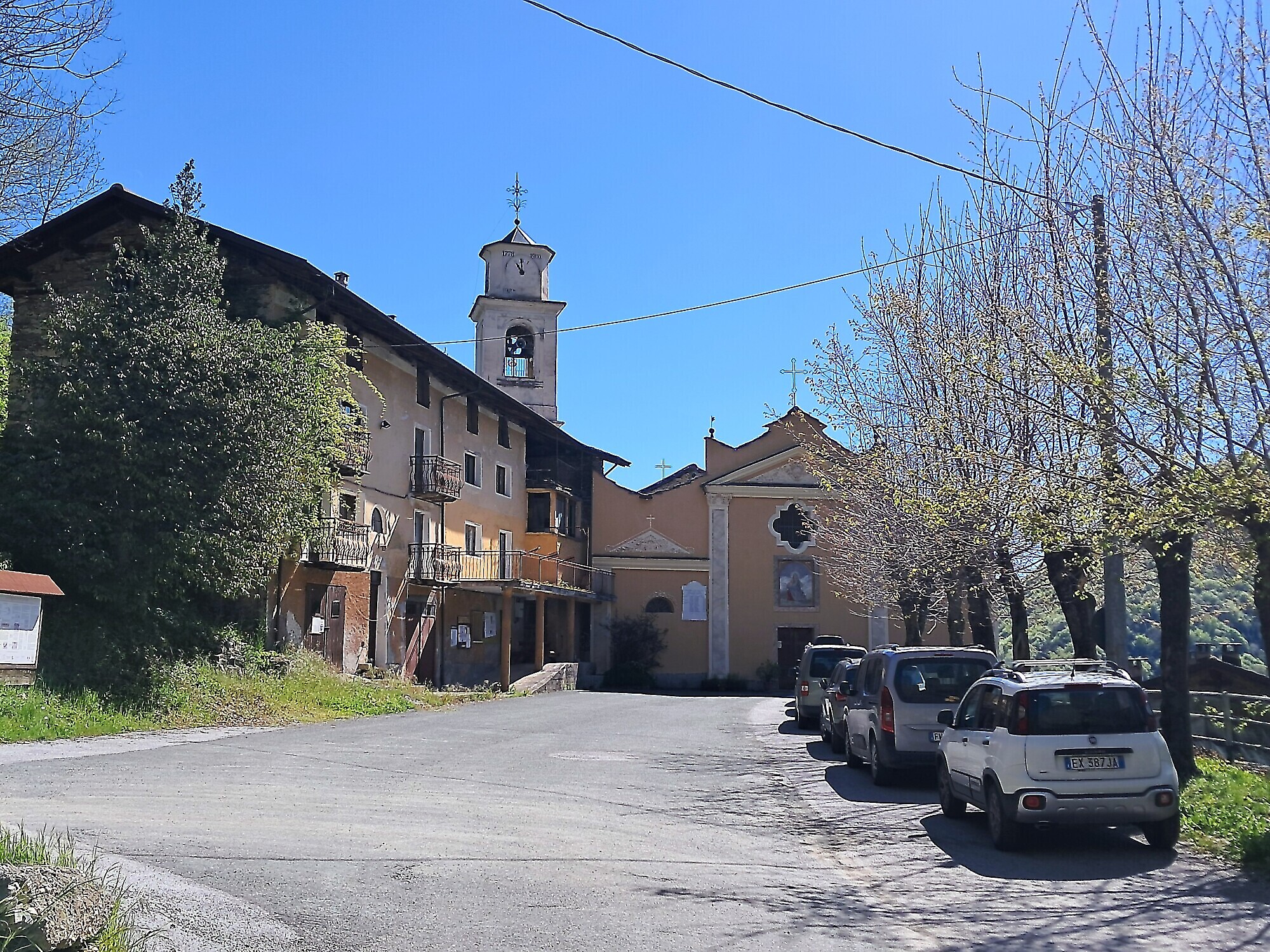
The hike will start from the square in front of the village church and end at Rifugio Detto Dalmastro, located just above and inaugurated in 1970 thanks to the partisans and all the benefactors who wanted to contribute to the idea of erecting a building as a testament to that historical period.
In the village, you can also visit “La Stanza della Memoria” (The Memory Room), which houses various documents related to the partisans who fought there (including Giorgio Bocca) and “Vista da Santa Margherita Rifugio Detto Dalmastro,” both activities offered in collaboration with the Luigi Mallé Museum in Dronero (CN)
At the refuge, you can also view all the Cameos that tell the biographies of women partisans in the Cuneo area, an initiative by the Mallé Museum in Dronero titled “Every 8th of the month an 8th of March. Small and great women’s stories in Val Maira and surroundings.”
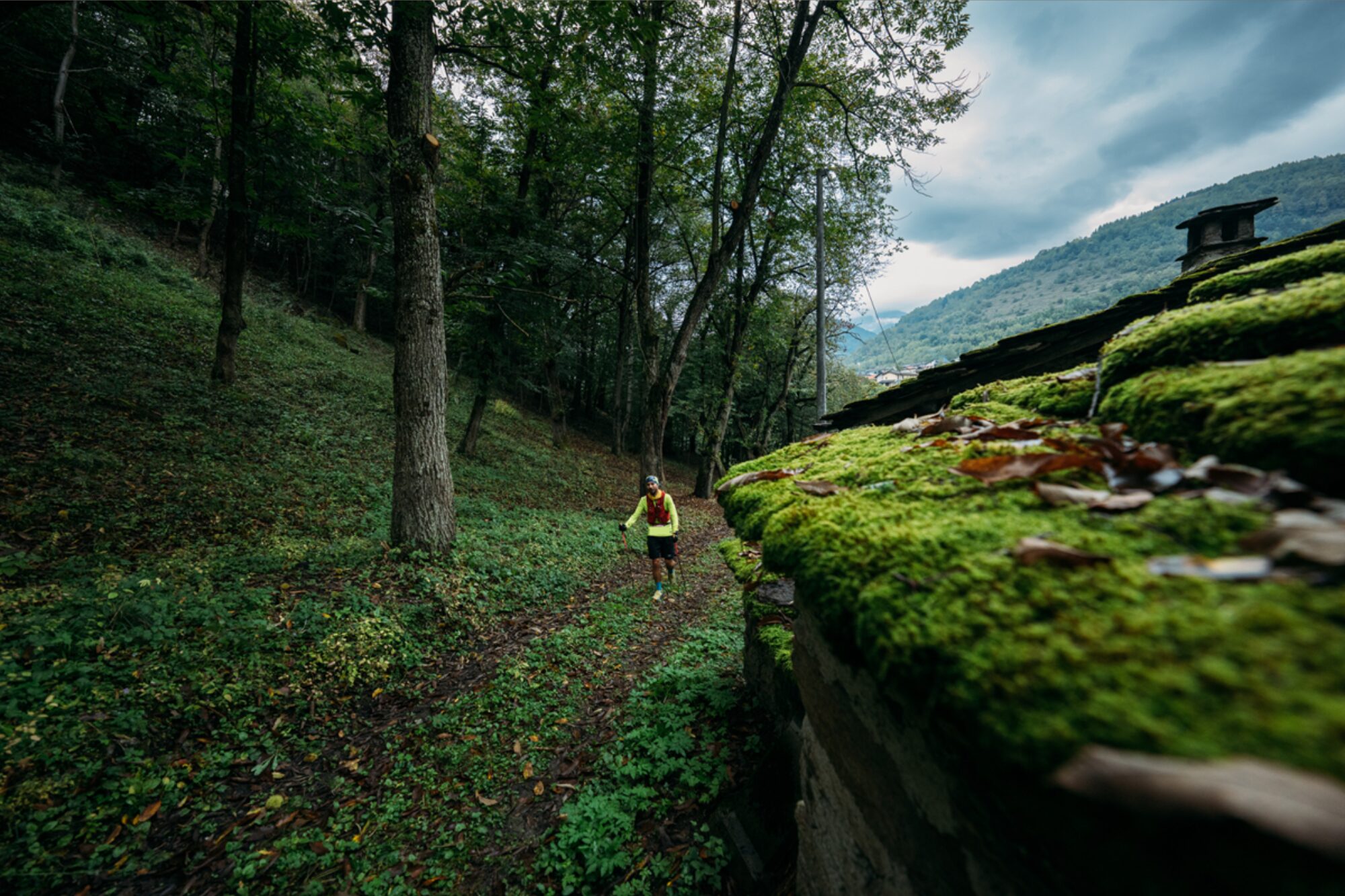
The trail forms a loop through the beautiful woods of the middle Val Maira, allowing you to move between the Moschieres valley and the Paglieres valley (and back), touching the numerous villages that rise around Santa Margherita, a stronghold of the GL formations in the Cuneo mountains. Its very geographical location led to it being chosen as the guerrilla headquarters; in fact, it sits on the edge of a cliff in a dominant position over the Paglieres valley, whose approaches could be easily controlled by those guarding the Colletto. The village was at the center of all GL partisan activity that took place on the right orographic side of the Maira Valley and in the neighboring Grana Valley. It also provided refuge and hospitality during the twenty months to practically all partisan bands from the Cuneo area of other colors and origins who temporarily landed there to recover from raids in their settlement areas.
From the church square, climb along the dirt road that goes up to the cemetery and continue for a few hundred meters along the switchbacks toward the refuge, passing the barrier that marks the vehicle access limit. The refuge is dedicated to partisan commander Detto Dalmastro and was inaugurated in 1970. Recently, ANPI, which owned it, donated it to the Municipality of Dronero, which renovated it. The structure is a network center within the Memory of the Alps project and is part of the Paths of Freedom circuit in the province of Cuneo.
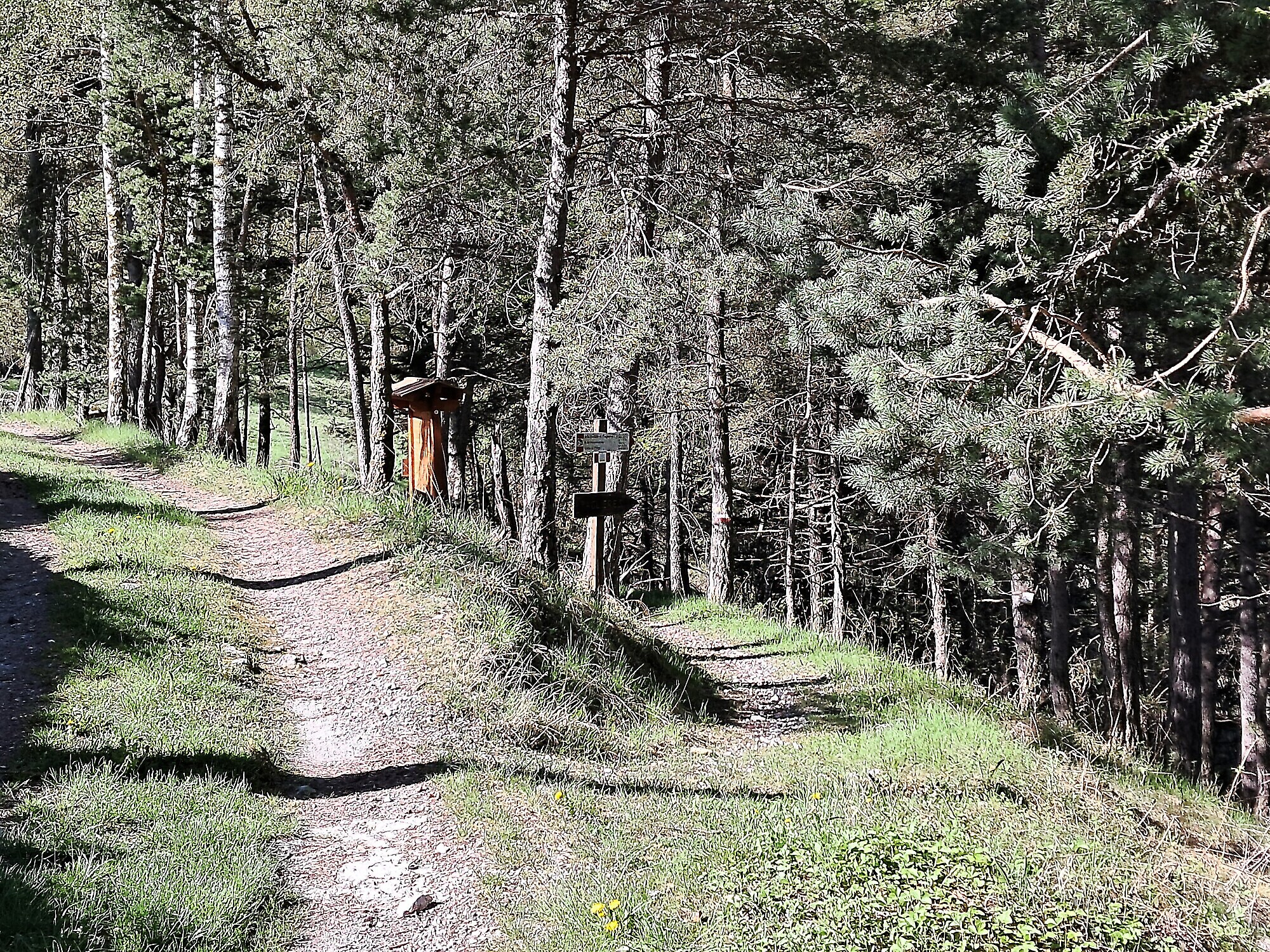
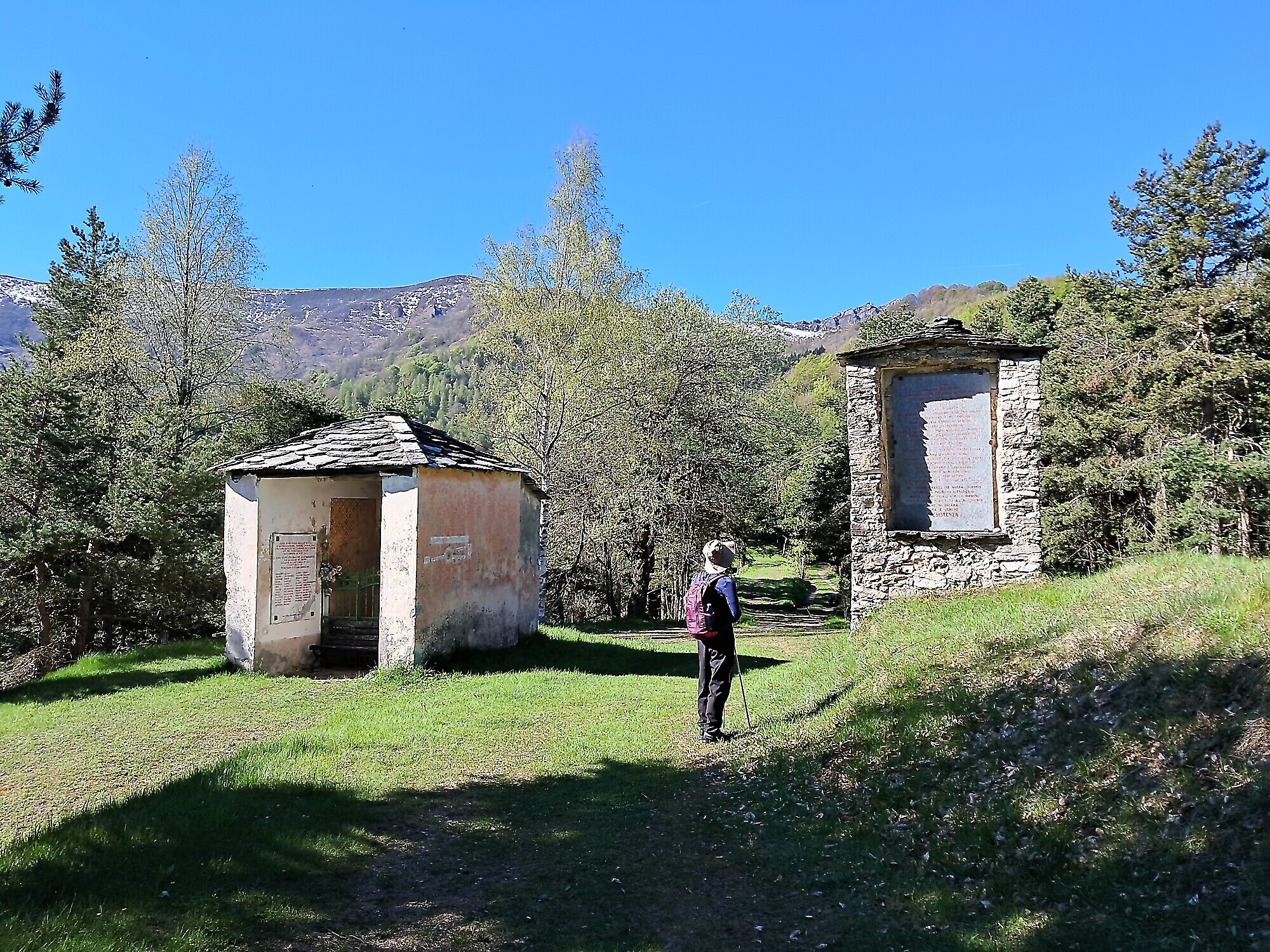
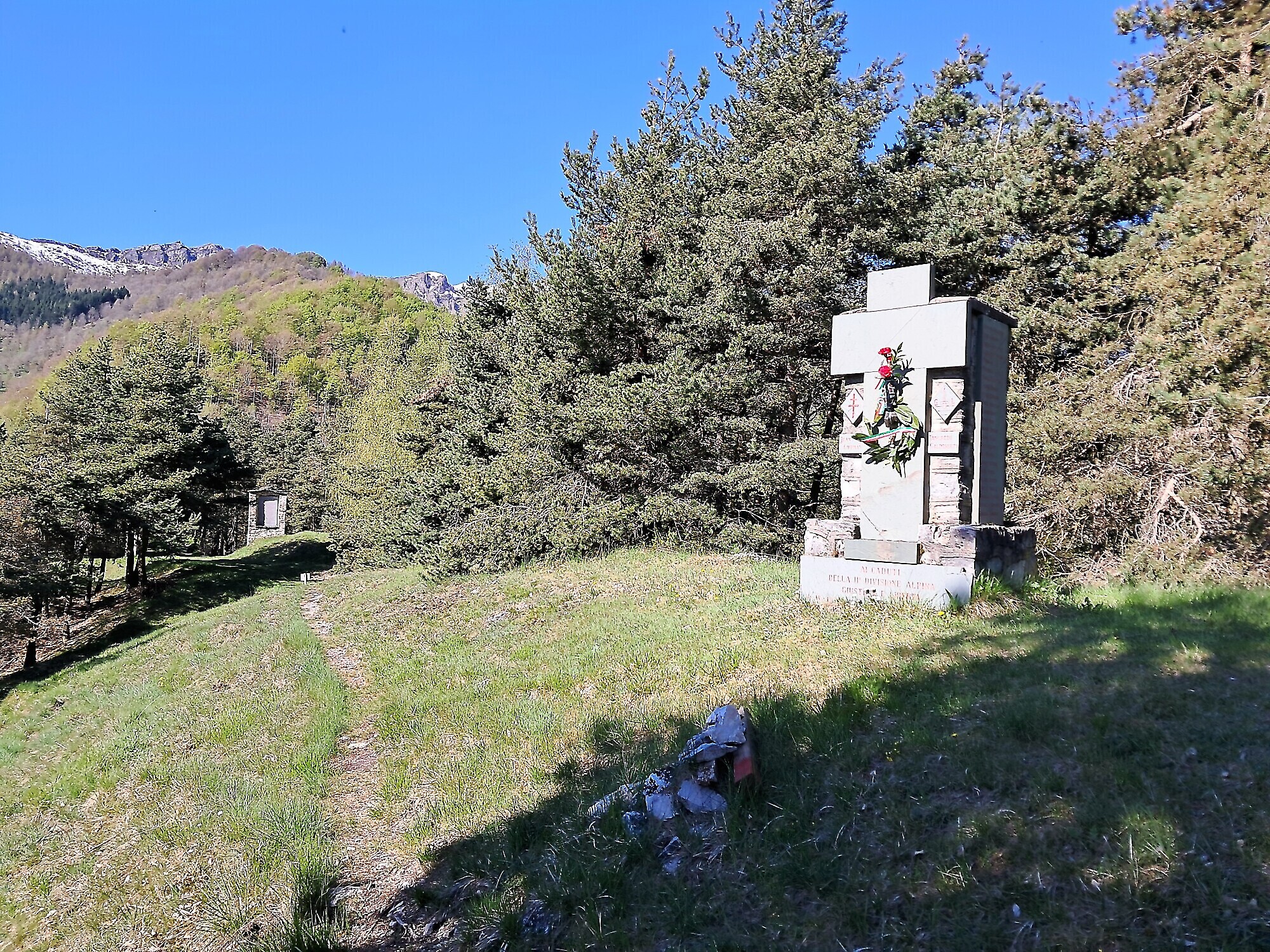
Retracing your steps, at the first switchback take the path (post with sign) on the right and follow the traverse through the meadows, passing first by the monument commemorating Jean Lippmann (French maquisard who supported the GL partisans) and then between a small chapel remembering the martyrs of the 2nd GL division and a plaque bearing Piero Calamandrei’s message until you reach Colle della Margherita.
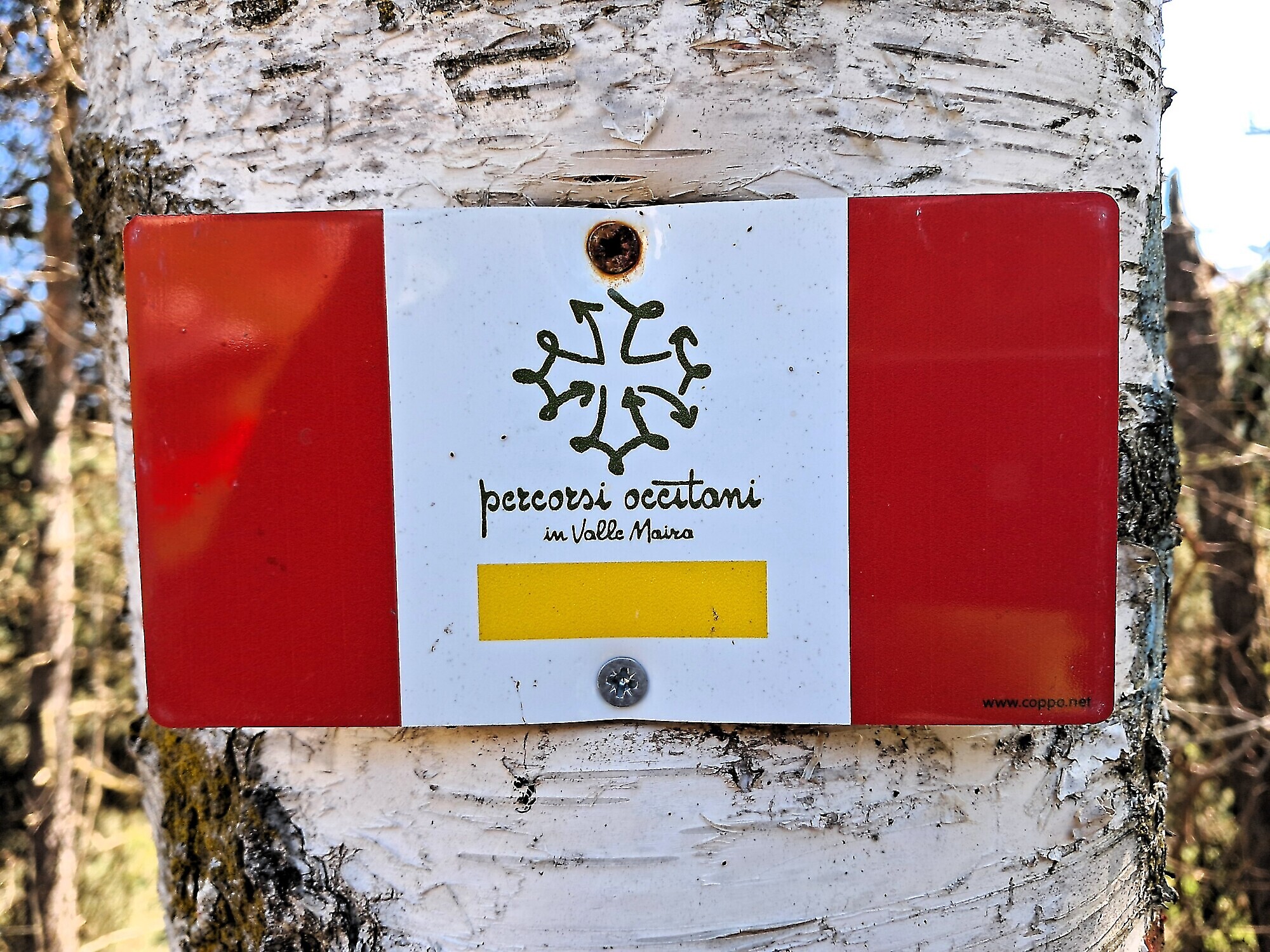
From here, turn left and take the path that descends to the right (S02 of the Occitan Routes) toward Paglieres, which goes downhill through a beautiful beech forest; this path is dedicated to Nini Acchiardi, partisan commander of the Garibaldi troops operating on the left hydrographic side of the Maira valley. The path crosses the Moschieres valley before reaching the Rio Albert, which you cross via a stone bridge where a millstone also lies nearby, and after crossing a deep gully in the thick woods, it emerges near the village of Bedale (1,224 m), one of the many that make up the scattered settlement of Paglieres (a municipality until 1929) in the “Cumbamala” valley. After passing the cluster of houses, the road merges near a switchback, so take the uphill section leading to the square of the Filoira village. Here you’ll find a plaque dedicated to Jean Lippmann called “Lorrain,” who collaborated with the partisans from spring to summer 1944 before returning to France and being captured and shot by the Germans, while on the square stands a large (abandoned) building on the left that served as partisan headquarters. Just before this building begins a path that climbs rather steeply in several zigzags toward the villages of Serre and Goria (side by side), also part of Paglieres and sites of partisan detachments. Once you reach the villages, you have two options: descend on the paved road touching the lower villages of Saretto and Girardi, or retrace the uphill path back to the church square.
Back at the square, follow the paved road that descends into the valley until you reach the small village of Chiotto (the villages of Filoira and Chiotto can be crossed with some difficulty along the old paved paths now overgrown with vegetation). Continuing the descent, you pass two switchbacks and a long traverse before reaching the valley floor where the road runs alongside the Rio Paglieres. A few hundred meters ahead, a dirt road branches off to the right into the Moschieres valley (trail marker S32). From here in about 30 minutes (1 km) you reach the large village of Moschieres (Las Moscheras), now completely abandoned, with houses falling into ruin. It was once the site of an important partisan detachment protecting the Santa Margherita valley.
The path continues through the houses on a level section protected by a low wall; at a certain point (15 minutes) you need to leave the S32 trail that leads to Colle di Poca, turning right (Memory of the Alps logo). The path marked with red and white blazes climbs through the woods with initially steep sections that then become gentler, joining a forest track that leads (to the right) to Colle della Margherita, passing through the few houses of the village of Cuccetto (Al Cuchèt) in decent condition. In the village center still stands a building called the Casa del Comune. During the medieval period, Moschieres enjoyed administrative independence from Paglieres, and this building may have been the seat of the “consuls,” the representatives of the local community to the Municipality of Dronero.
From Cuccetto, follow the private forest track (barrier for car access) until you reach Colle della Margherita and from there, along the dirt road to the village square where you left your car in front of the church.
START / FINISH: Church square in the village of Santa Margherita (Dronero) in the Moschieres valley
RECOMMENDED PERIOD: May to November (the road is open during that period)
TIME AND ELEVATION GAIN: 4h 30′ to complete the loop (without stops) – 650 meters total elevation gain for a total length of about 13 km
HOW TO GET THERE: Once you reach Dronero, continue toward Val Maira (tree-lined avenue) and, shortly after the town of Roccabruna, turn left following signs for the Tetti hamlet, which you must cross completely (including the Tetti Borgetto village), passing over the bridge with traffic controlled by a traffic light. At the next junction, turn left following signs for Santa Margherita (Ghio village) and enter the chestnut woods along the narrow road. When you reach Ruà del Prato, continue and at the first junction turn right following signs for Santa Margherita (Ghio); the road climbs until it reaches the Falcone village, from where it becomes more challenging (splendid panoramic views) until you reach Santa Margherita, perched on the edge of a cliff, where, just past the houses, you need to turn sharply right and climb up, leaving your car in the square by the beautiful church (once a parish church).
NB: keep in mind that the stretch of road between the Falcone and Santa Margherita villages is normally closed by municipal ordinance from late November through April; before planning a hike, contact the Municipality of Dronero.
DIFFICULTY: the route develops largely on forest tracks, trails, and for some stretches also on asphalt, always clear and without difficulty, and is suitable for anyone in good physical condition and accustomed to walking without difficulty for a few hours.
Information
- Duration: 4h30
- Ascent: 650 m
- Distance: 13.0 km
- Region: Dronero
- Seasons: Autumn, Spring, Summer
- Difficulty: Medium Difficulty
Mountain sports are potentially dangerous activities and must be undertaken with the right equipment and preparation. We invite you to consult the weather and avalanche bulletin before embarking on an excursion and/or contact a guide for assistance. The Valle Maira Tourist Consortium declines any responsibility in relation to the advice and itineraries shown here, which must be evaluated personally according to the weather conditions and snow cover.