English
 German
 French
Nature and Culture Walk in Celle Macra
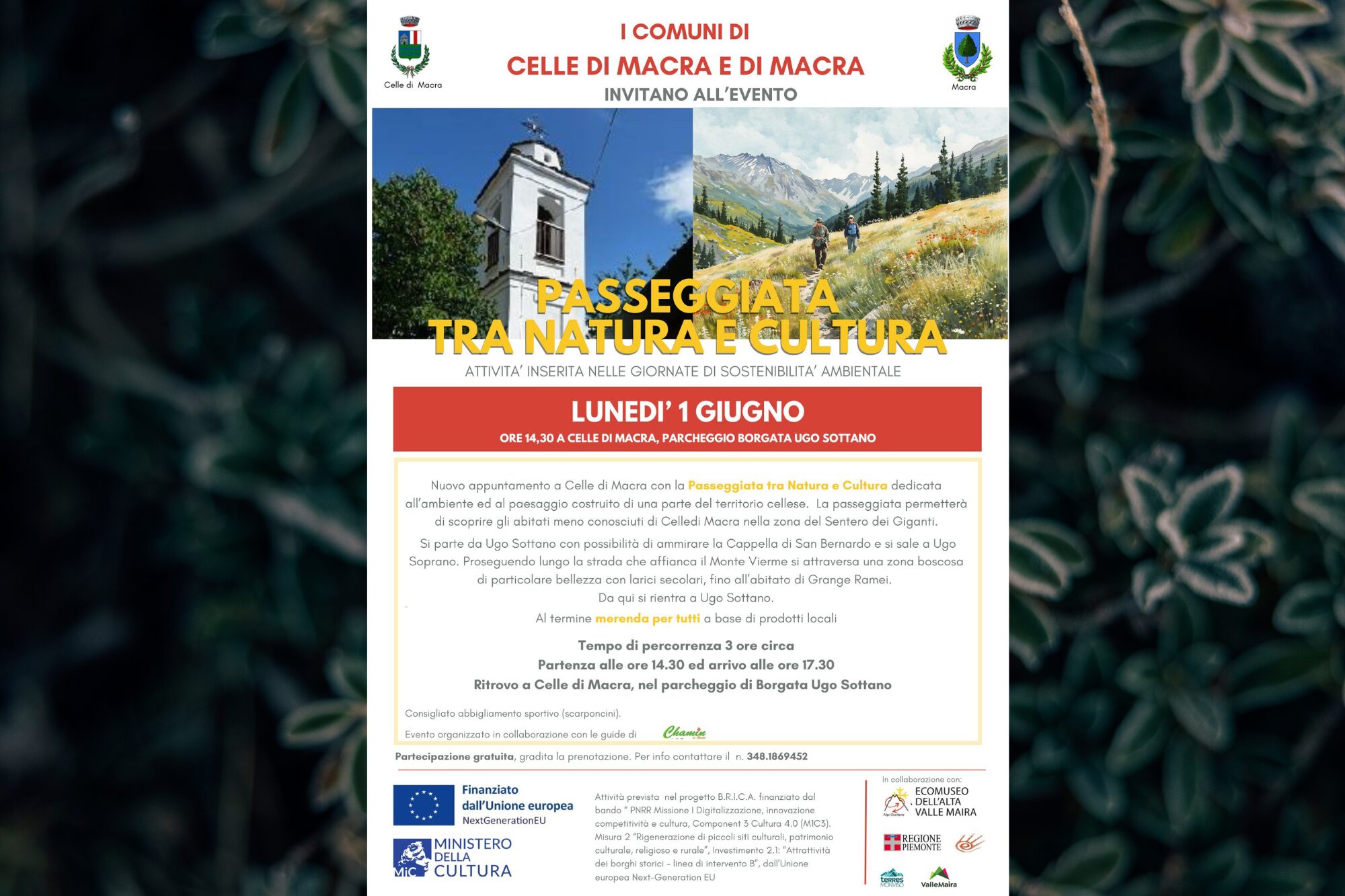
New appointment on Sunday, May 10 in the afternoon, with nature and culture walks to discover the lesser-known settlements of Celle di Macra in the area of the Trail of the Giants.
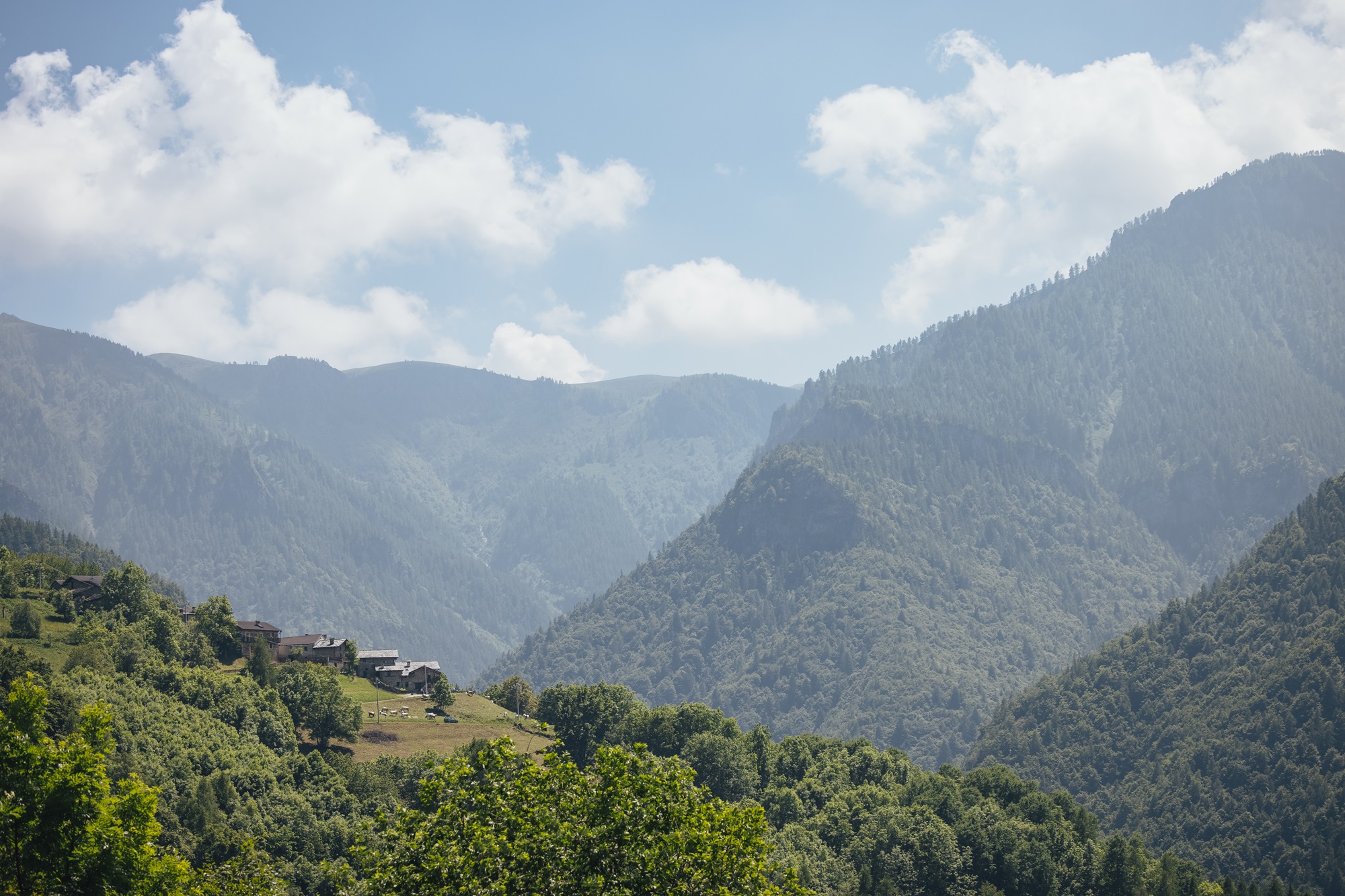
The guided walk will allow you to discover the unique features of the territory and the hamlets located between the Intersile Valley and the Tibert Valley, with particular attention to the natural, environmental, architectural, artistic, and cultural characteristics of these ancient alpine settlements and the context in which they are situated.
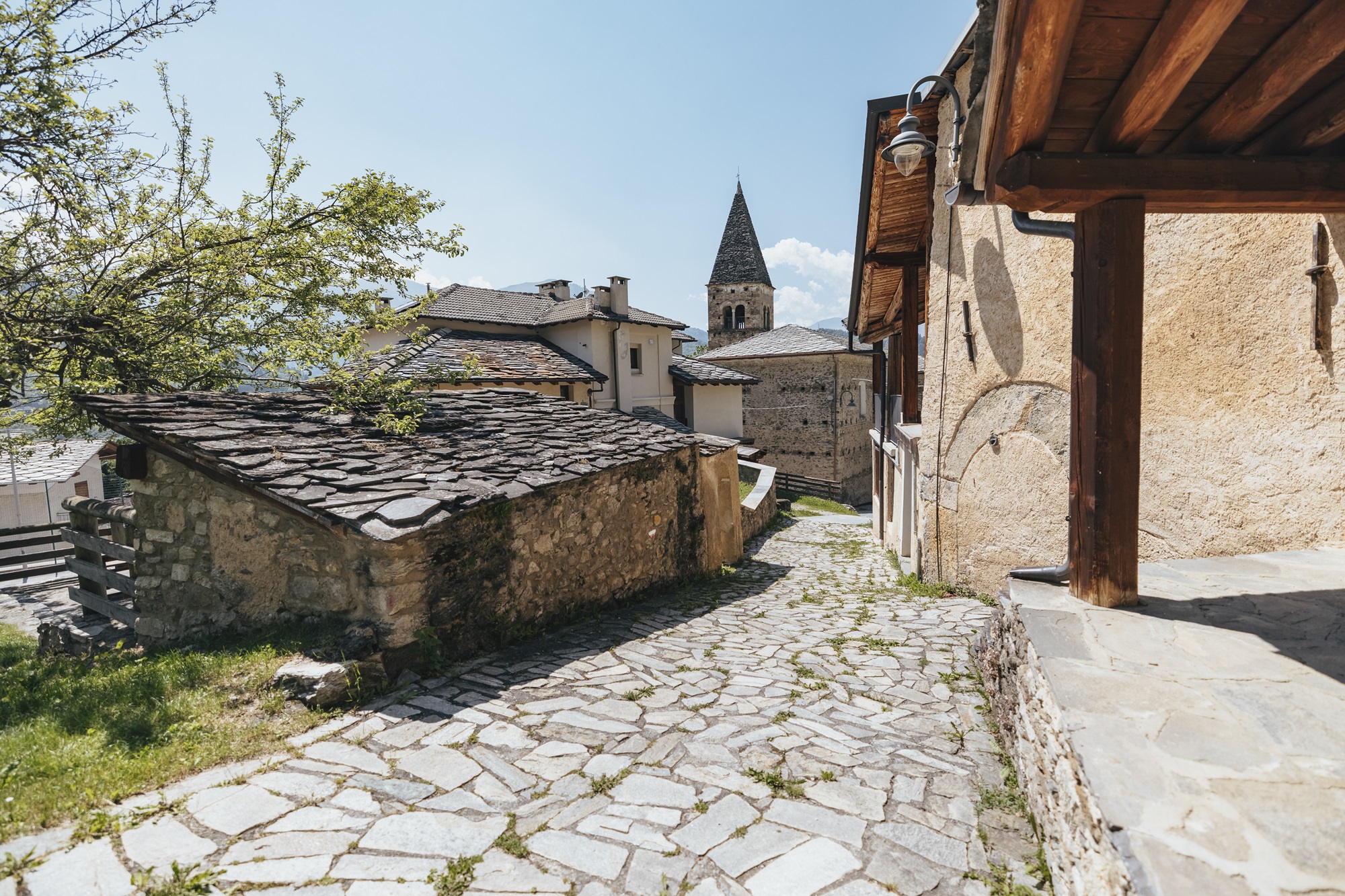
The walk begins at the hamlet of Ugo Sottano, which was home to many families of coopers, where you can admire the Chapel of San Bernardo.
From here, you ascend along a mule track that runs alongside a cistern for collecting water—structures very common in this area due to water scarcity—up to the settlement of Ugo Soprano, once home to the subsidiary school.
In this very sunny hamlet, you will be able to admire other water collection cisterns and cottages with frescoes by Giors Boneto da Paesana, an itinerant painter of the Occitan valleys.
The walk continues along the road that runs alongside Mount Vierme, passing through a particularly beautiful wooded area with centuries-old larches (hence the name Trail of the Giants) until reaching the settlement of Grange Ramei.
This small alpine hamlet overlooking the Tibert Valley is characterized by the presence of typical granges used during the alpine pasture periods and by a votive pillar dedicated to the Madonna and Child.
From here, you return to Ugo Sottano.
The walk is easy and suitable for enthusiasts of all ages: families, young people, and adults. It is organized in collaboration with Chamin guides.
Meeting point at Borgata Ugo Sottano in Celle di Macra.
Departure at 2:30 PM and arrival at 5:30 PM.
The walk is free of charge.
For information: +39 348 1869452 or email ecomuseoavm.comunicazioni@gmail.com
This activity is part of the cultural and social regeneration project B.R.I.C.A. Resilient Villages of Cultural and Environmental Innovation funded by PNRR funds – under the Borghi Call, intervention line B (M1C3.Measure 2. Investment 2.1).