Projects

Projects
Those who live in the Maira Valley are aware of its uniqueness. In August 2013, a group of local entrepreneurs decided to found the Consortium to support its promotion together, with ideas and constant commitment. All the activities and projects undertaken for the development of the valley have as their basis the protection of the heritage (historical, cultural, landscape) and respect for the environment. The Consortium's main tasks are the tourist promotion of the Valle Maira destination, the ordinary maintenance of the path network and the management of the tourist offices. To carry out these activities, it relates to local organizations and businesses, preferring collaborations with professionals operating in the area.

HIKING NETWORK SIGNAGE REDEVELOPMENT PROJECT

READ THE COMPETITION TEXT

This project stems from a concrete analysis of feedback received from users of the Valle Maira trails and from the strong awareness that the hiking network is an undisputed heritage, as well as the main tourist attraction of this area.

The Valle Maira Tourism Consortium, aware that this network requires a coordinated intervention aimed at improving the signage, has launched a competition to identify the most suitable project for this purpose.

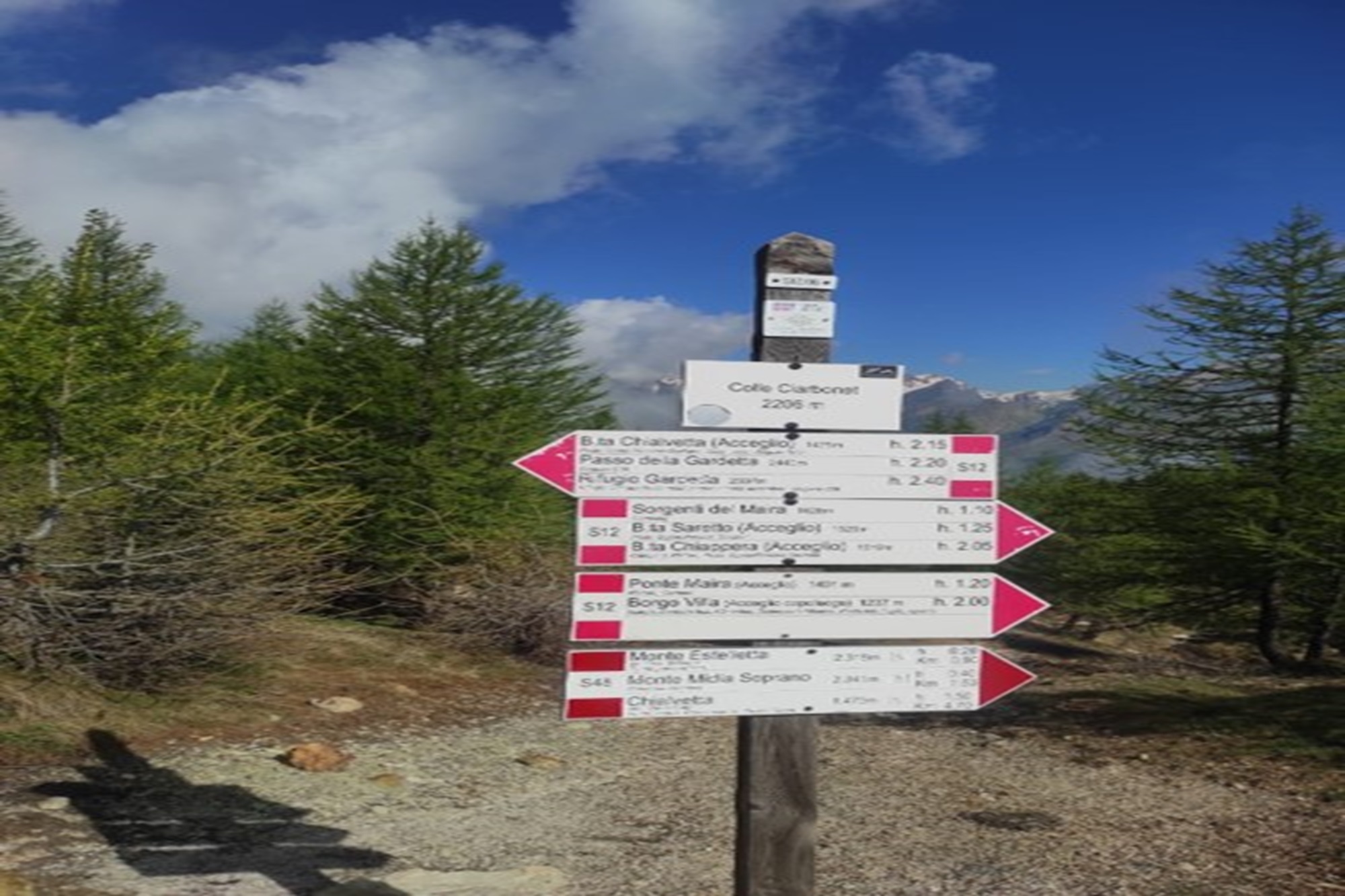
A project that aims to support and improve signage over a horizon of about 5 years. The official references for this signage implementation are the Piedmont Region guidelines and CAI regulations. The goal is to intervene on the hiking signage by improving its functionality, consistency, and readability, without cluttering the landscape with excessive or redundant signs.

Following the evaluation of the 8 selected projects (out of 15 applications received) carried out by a specific Commission (Tourism Consortium-Valle Maira Mountain Union-CAI Cuneo, Dronero sub-section), the project unanimously evaluated and selected as the most suitable for the assignment was the one presented by the company Walden s.r.l. from Saluzzo [www.walden.srl].

The Tourism Consortium also took care to bring the competition and the selected project to the attention of the local administrations and the Valle Maira Mountain Union, receiving their collaboration.

The complete project can be consulted upon request at the Tourist Office/Porta di Valle in Dronero.

This project will also be a natural continuation of the activities already carried out to support the trail network.

Routes subject to intervention

Therefore, the routes subject to intervention will be:

  • 66 trails already subject to cartographic intervention through dedicated funding (list and tracks available on GoogleDrive);

Valle Maira hiking map (66 trails)

Here we present the project for the Valle Maira trail map. The map has a 1:25,000 scale, by far the most popular with tourists and hikers of all ages and skill levels. In detail, the hiking map – printed front and back on waterproof and resistant Pretex paper, 90×100 format, with a custom cover – covers the Valle Maira area. Upper-Middle Valley on the front, Lower-Middle Valley on the back.

The base map is taken from the Valle Maira 1:25,000 map by Escursionista Editore (front and back), complete with rocks, scree, and shading, with a graphic design fully customized for the Valle Maira Tourism Consortium including highlighted routes and graphic layouts with practical information on 66 well-known and popular hiking trails in the area, routes that were designed with the help of CuneoTrekking, a well-known and established local organization for hiking support services.

The hiking map with the 66 trails customized by us is in fact a project that already links up with the completed project to update the Valle Maira signage: through this, we have placed tourist information signs in strategic areas of our territory showing these same 66 trails and additional information.
This is because we intend to provide a consistent and unified image of our territory from a hiking and tourist support perspective; the graphics and text style of the hiking map and the signage already present and distributed throughout the area are in fact consistent and integrated.

Inside the map, there is a QR code that allows you to connect to our vallemaira.org platform in the hiking section; from there, you can view the digital version of the trails and download – if you wish and for free – the GPX tracks.

We believe this project will be very successful, both because it continues the already highly appreciated work of updating the signage, and especially because we know how much a product like this was missing in our area, which is so focused on the trekking and hiking tourism sector.

Accessibility Project

Valle Maira continues to expand its horizons and focuses on accessibility as a goal and strength. The first step is to enable access to its natural, historical, architectural, and cultural heritage in an increasingly broad and varied way for all categories of people.

The first project we are implementing in this direction is specifically aimed at people with visual disabilities, particularly those with low vision and the blind. A project that begins with the actions we will discuss below but which – in a long-term perspective – will tend to expand progressively and further, involving the Valle Maira territory and the municipalities that make it up.

Therefore, the “first stage” of the new inclusive accessibility approach that Valle Maira is following starts from Villar San Costanzo, and more precisely from the Ciciu del Villar Nature Reserve. Here, in this context of geological and naturalistic value, the project actions aim to make the reserve area accessible and usable for the visually impaired, as well as for people with mobility disabilities, thus creating a complementarity of project actions aimed at accessible use.

In detail, the accessibility project for the Ciciu del Villar Nature Reserve in the Municipality of Villar San Costanzo includes installations of 3 panels with tactile images (printed images with raised illustrations that realistically reproduce the edges of the figures so as to allow blind and low-vision people to form a mental image, enabling the association between tactile representation and corresponding object) and codes with NFC technology (Near Field Communication, a technology capable of connecting two devices located at a short distance from each other in wireless mode) allowing users with visual disabilities to access multimedia content such as audio presentations that will provide insights into natural, historical, architectural, and cultural heritage.

The 3 installations are dedicated respectively to:

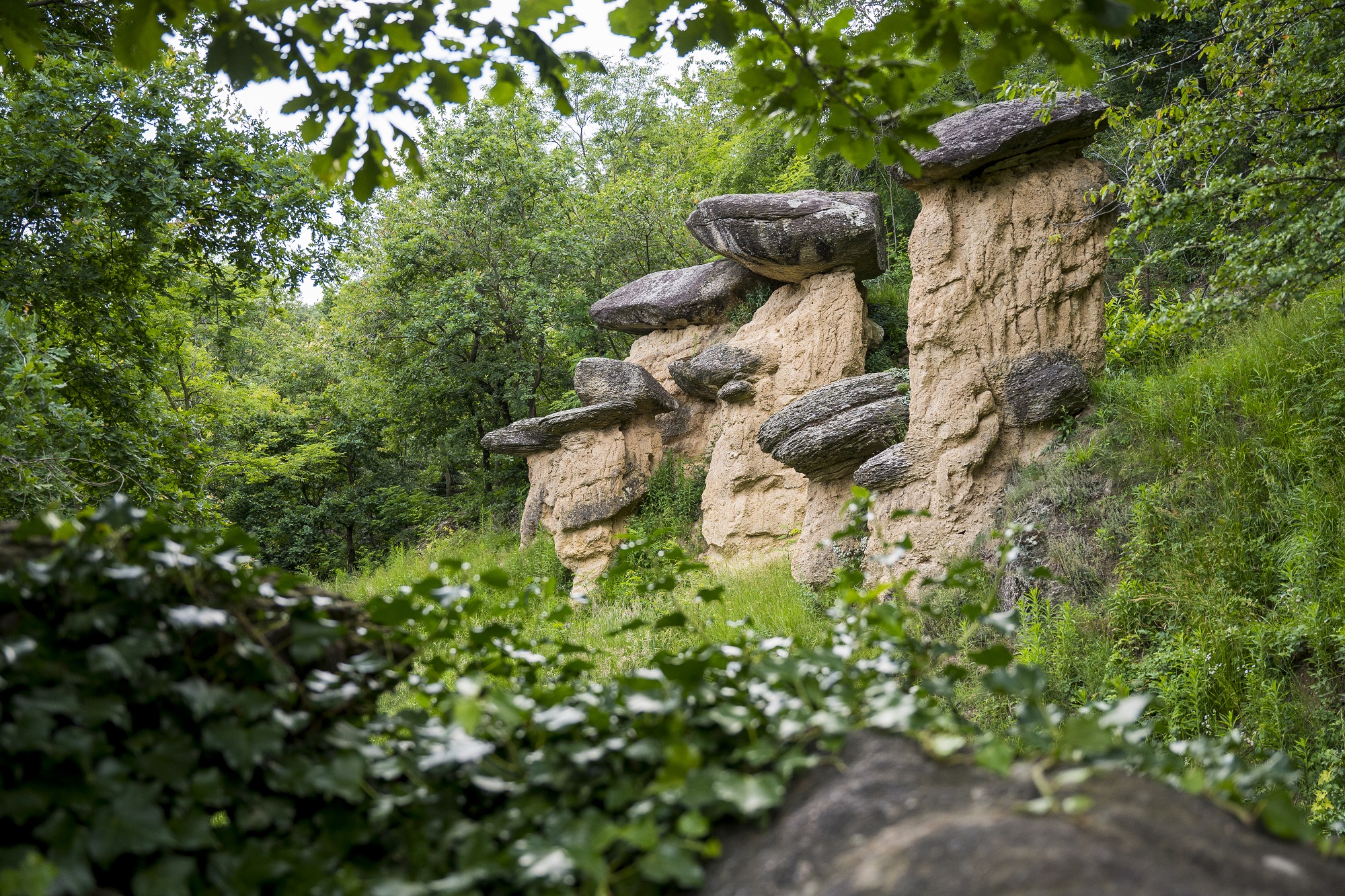
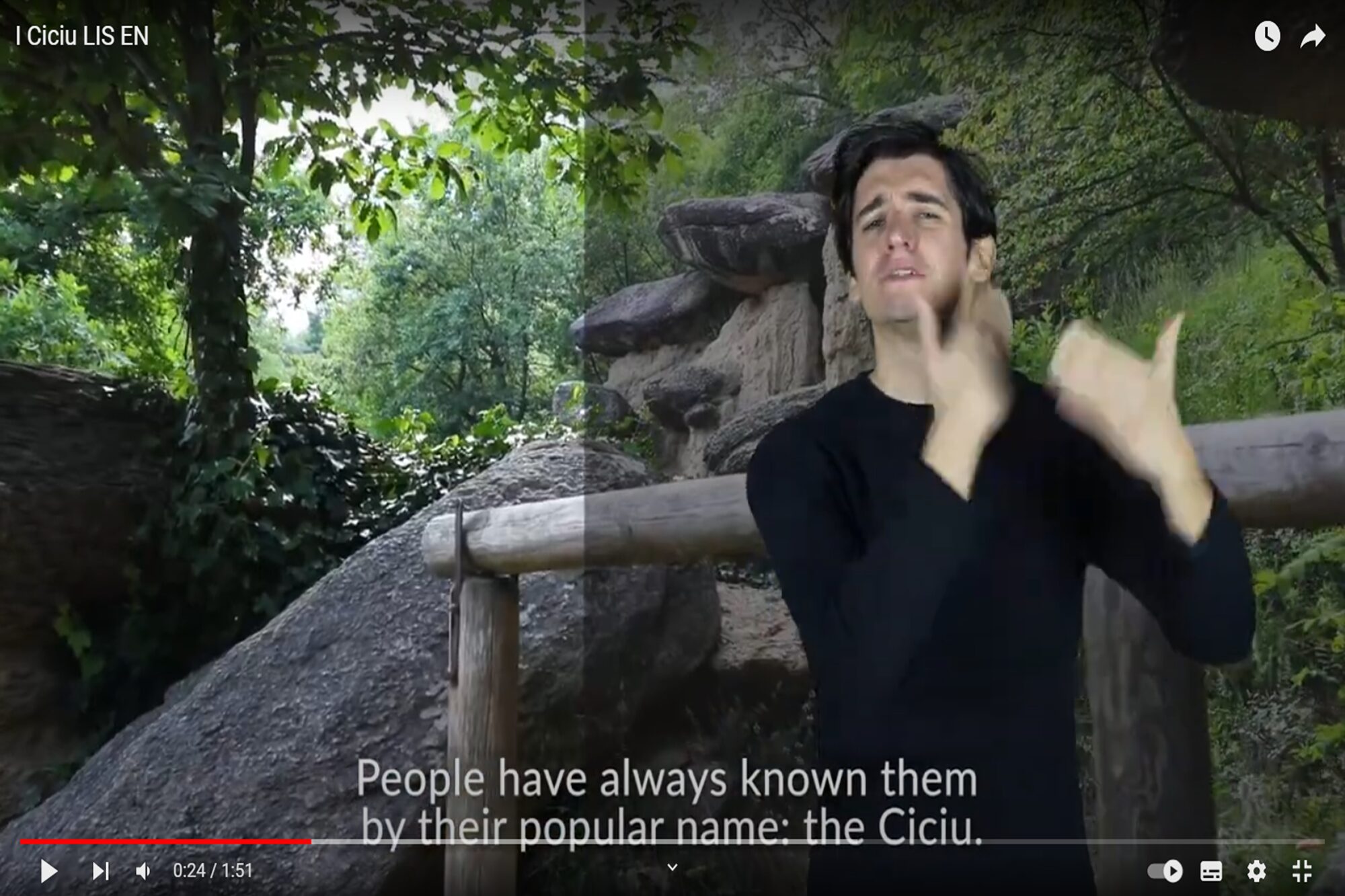
  • 1) the geological formation of the so-called “stone mushrooms”; in detail, it will be placed near the first ciciu formation encountered once inside the Reserve (the formation called “the family”)
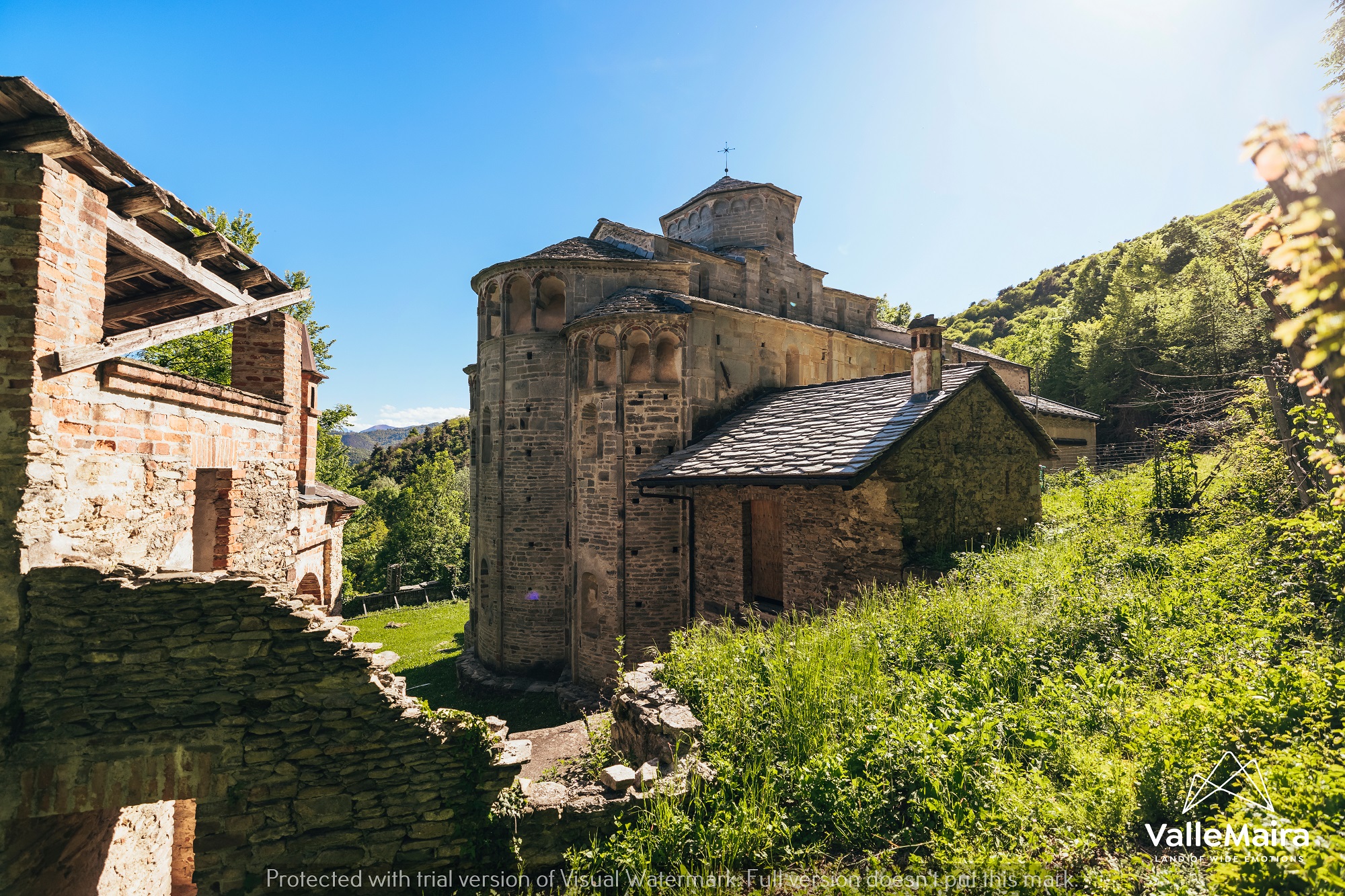
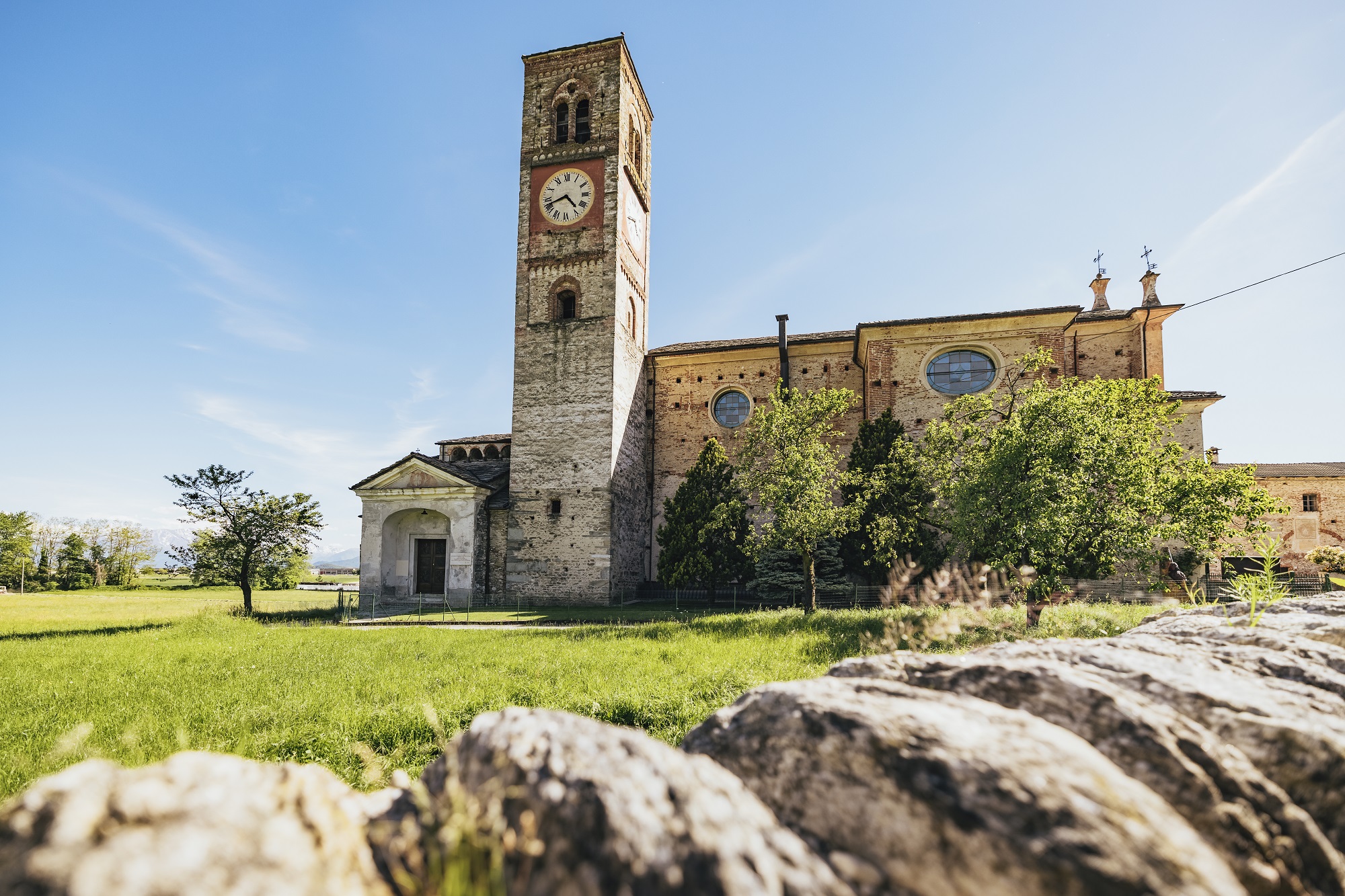
  • 2) the church/sanctuary of San Costanzo al Monte, one of the most interesting Romanesque monuments, and at the same time one of the least known in the Region
  • 3) the Former Abbey of San Pietro in Vincoli, an ancient Benedictine abbey now a church, with the 11th-century Benedictine crypt and the funerary chapel dedicated to Abbot Giorgio Costanzia di Costigliole built in 1450.

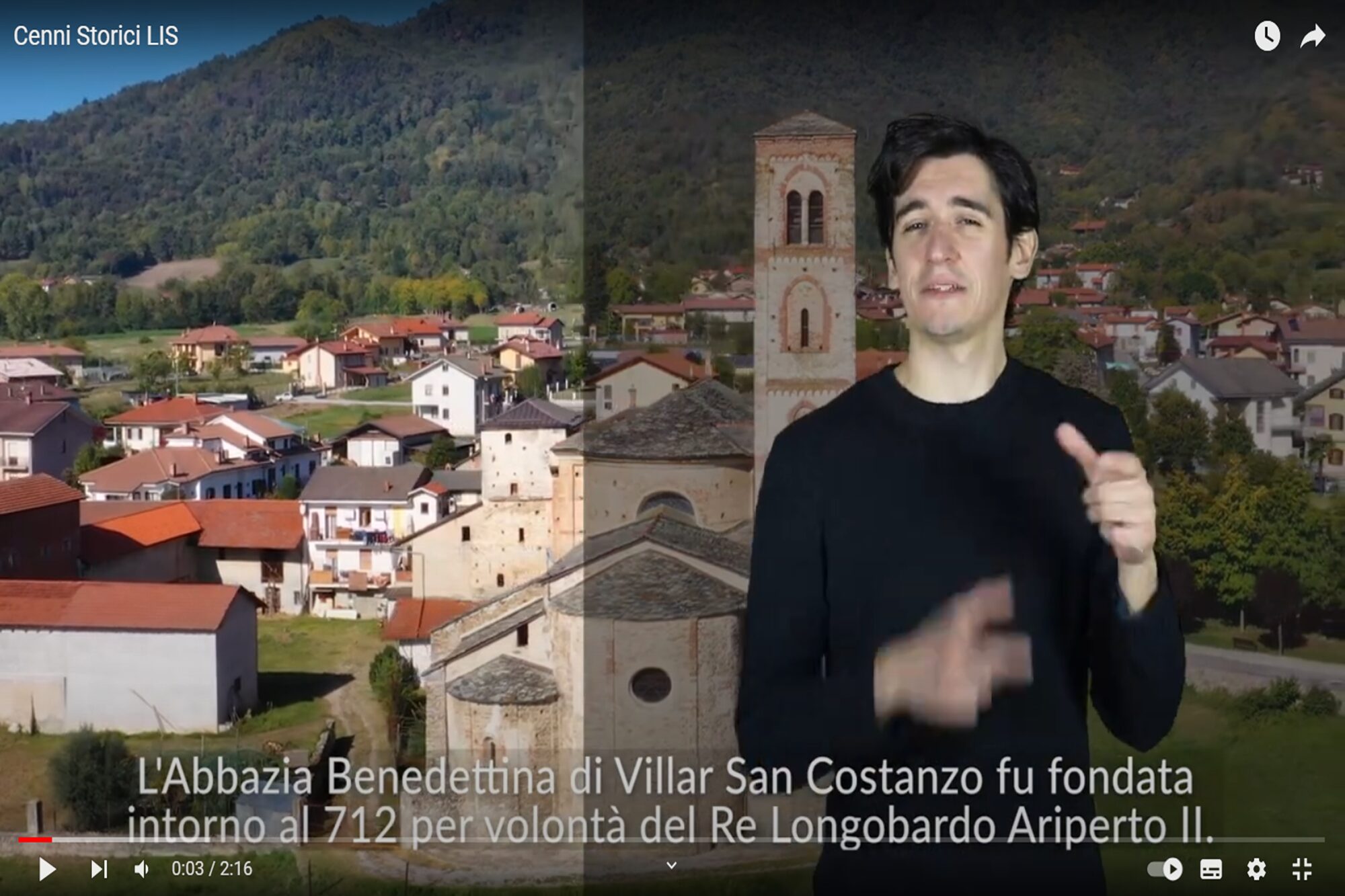
On these 3 installations, the “second stage” has been integrated, the second part of the project – aimed at improving and increasing accessibility for users with hearing and visual disabilities – through the creation of videos dedicated to the 3 attractions mentioned above with audio track and subtitles in both Italian and English, integrated with audio/video support presentations in LIS (Italian Sign Language) and IS (International Sign), made accessible on the same tactile panels with QR codes that link to the Museo Diffuso Cuneese YouTube page, which kindly provided the original videos. The integrations of audio/video guides in LIS and IS were created with the fundamental contribution of the National Association for the Deaf – Cuneo Provincial Section and the production company Vdea Produzioni.

Hospitality and Services Guide

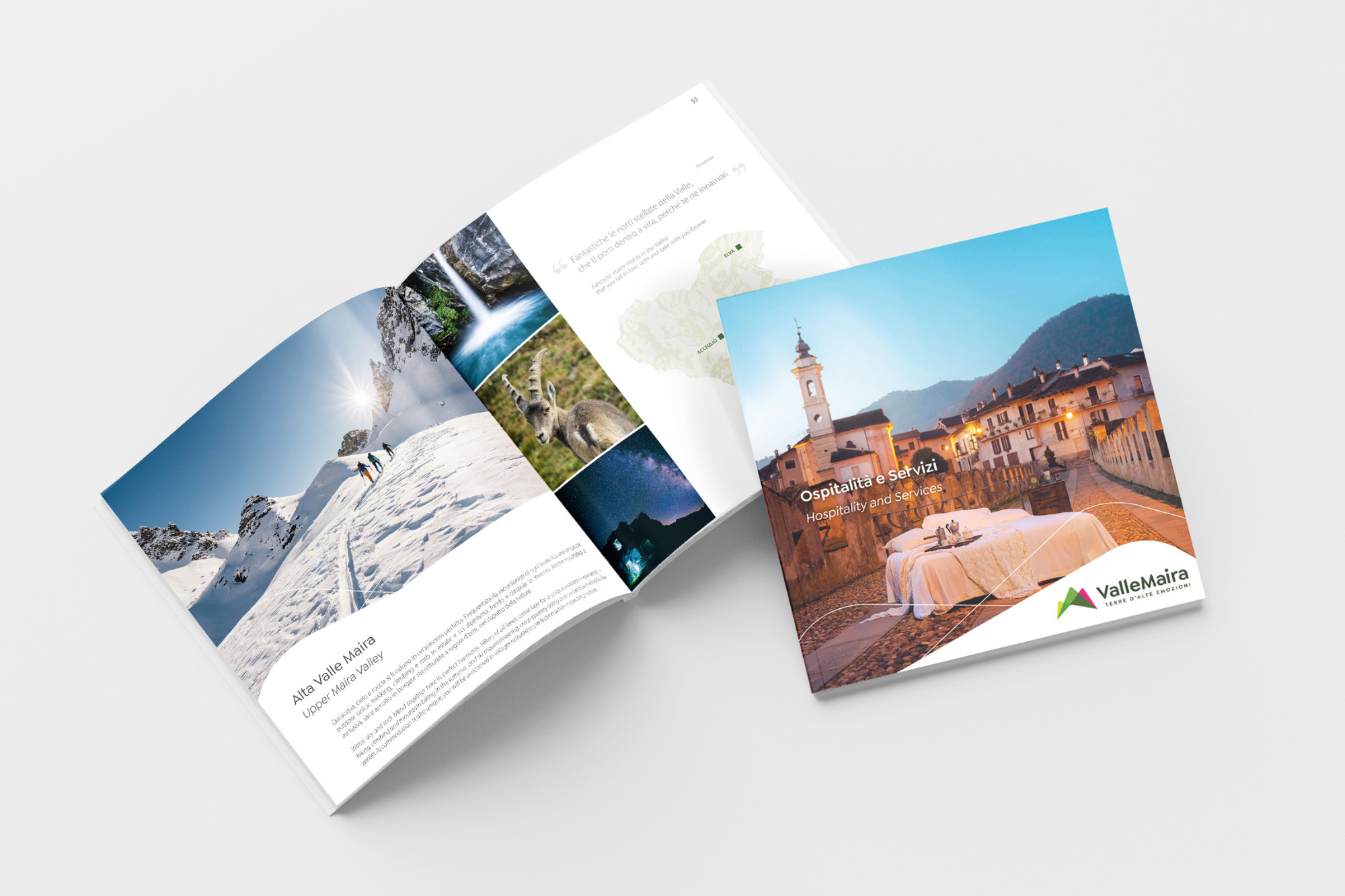
Our Maira Valley Hospitality Guide is a comprehensive and exhaustive printed publication, featuring all the valley’s hospitality options and every type of service you might need.

A careful selection of points of interest, top itineraries for the lower, middle, and upper valley, local products and crafts, and on-site services will guide you through the Maira Valley with a practical and beautiful resource, away from the usual screens!

A reliable and precise tool to help tourists discover the valley and choose the accommodation that best meets their expectations, while giving the right visibility to the valley’s hospitality businesses.

Stop by one of the Maira Valley tourist offices and ask for your copy: your journey into the valley starts right from the cover!


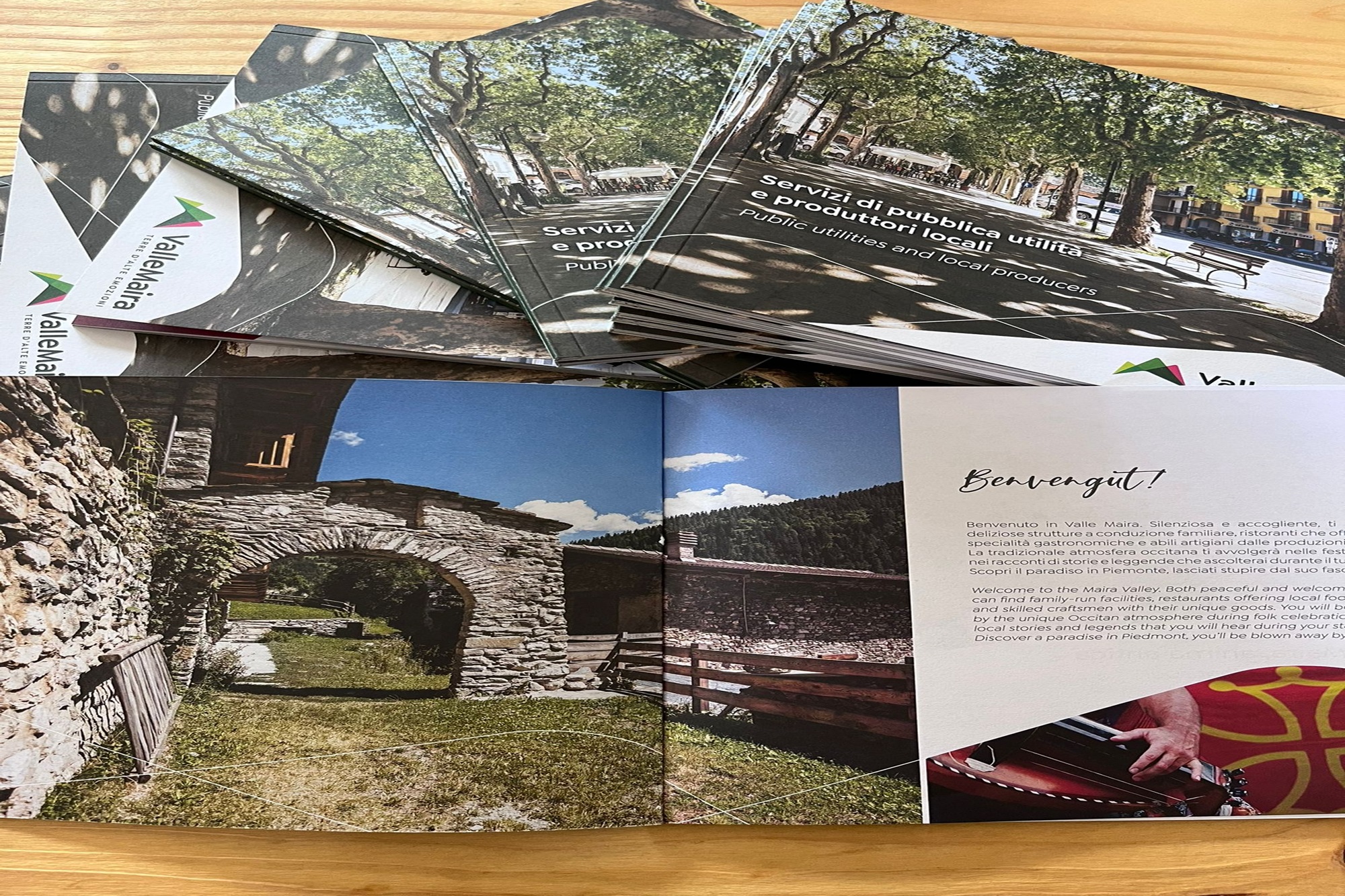
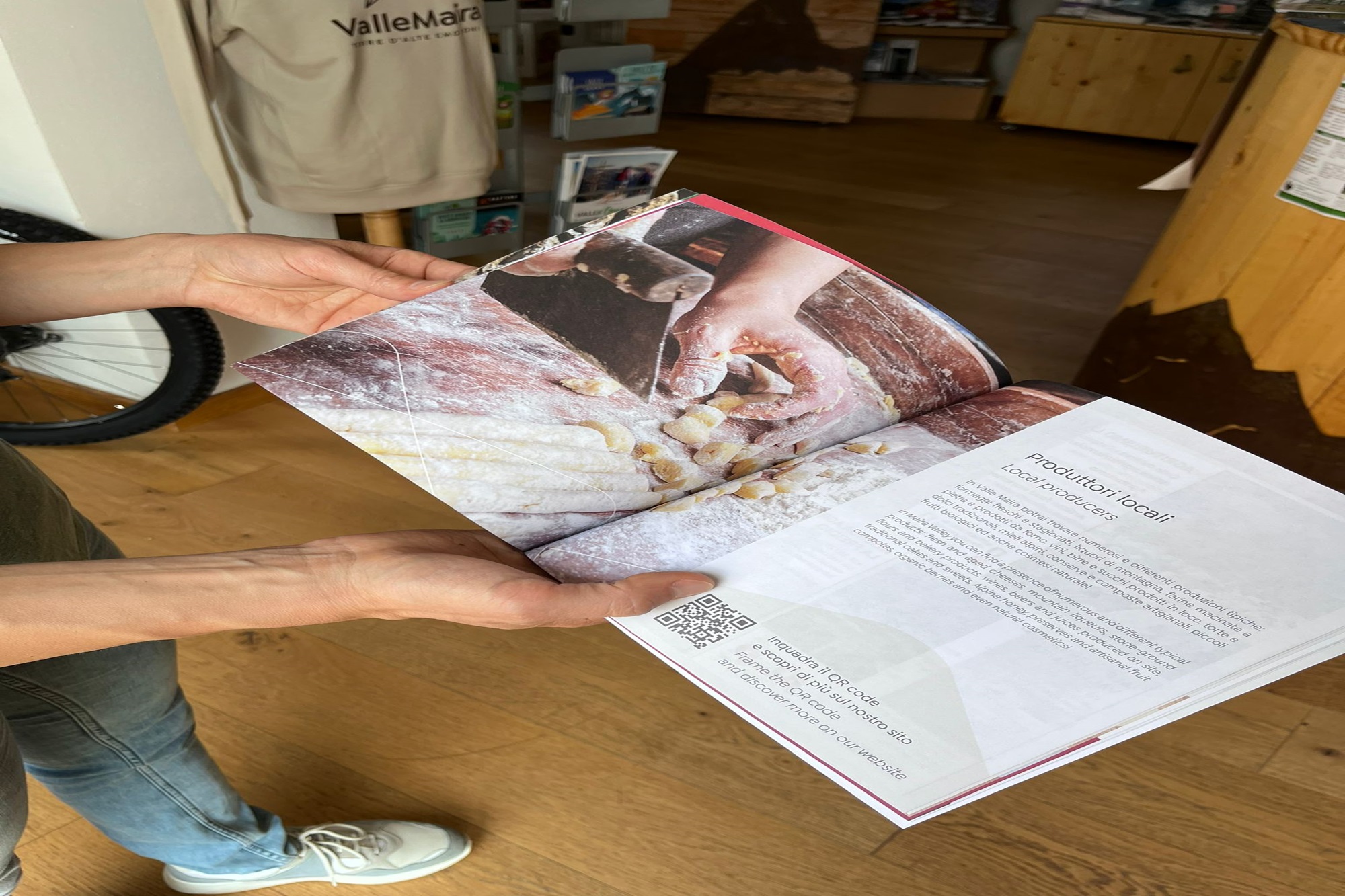
Guide to Public Services and Local Producers

This guide was created to help tourists and residents quickly and easily find the main services available in Valle Maira: from public services like town halls, post offices, ATMs, to local producers, to various service categories of potential interest (healthcare, food, local guides, etc.).

Stop by one of Valle Maira’s tourist offices and request a copy!

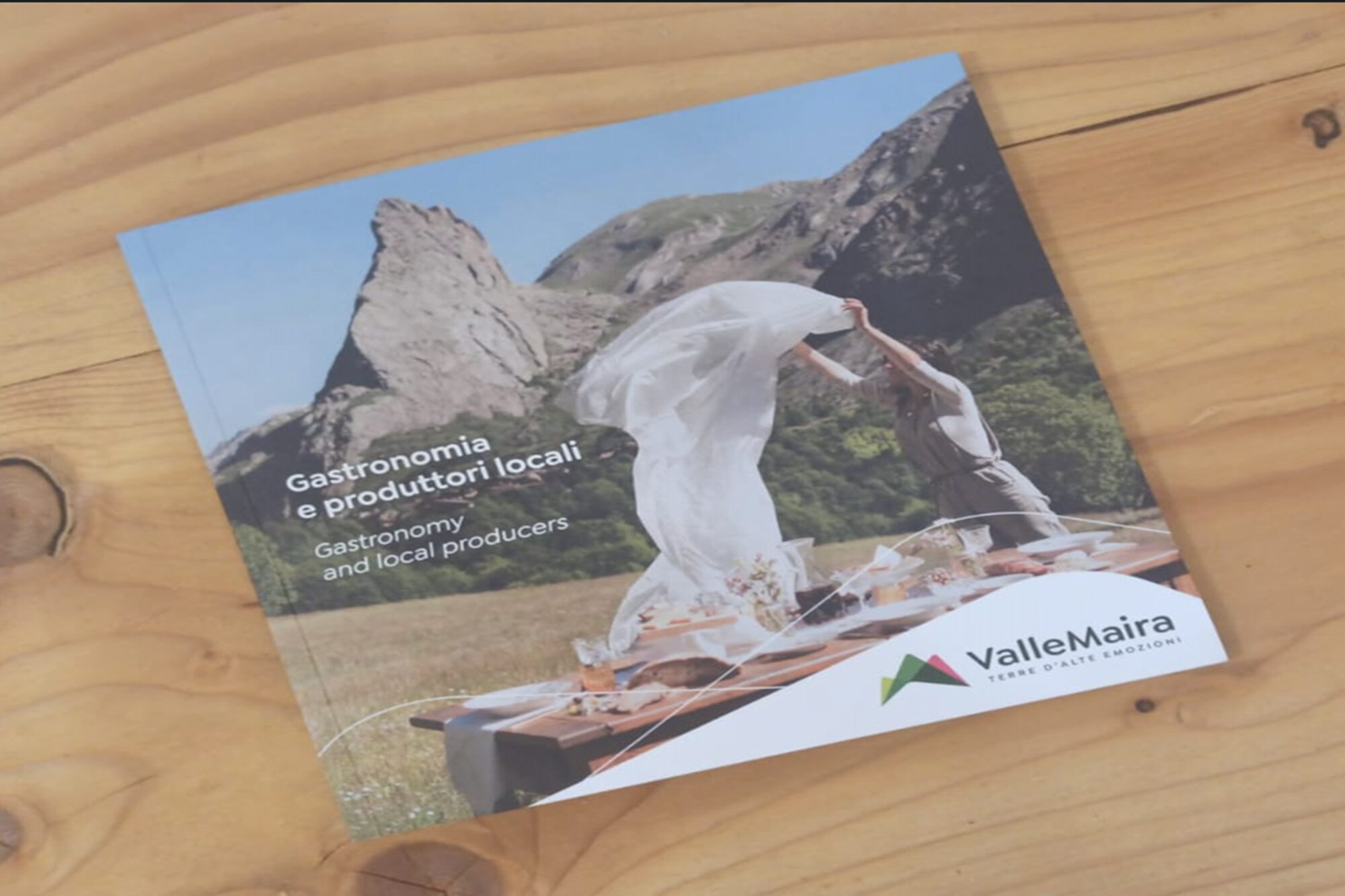
Food Guide

The Valle Maira Food Guide is dedicated to the valley’s culinary offerings (restaurants, local products, unique recipes, etc.). The brochure features all establishments providing dining services in the valley and local producers, breeders, and farmers who are members of the Consortium and who, with passion and dedication, bring this valley to life by offering an essential service for tourists and visitors.