English
 Italian
 German
 French
Mountain safety
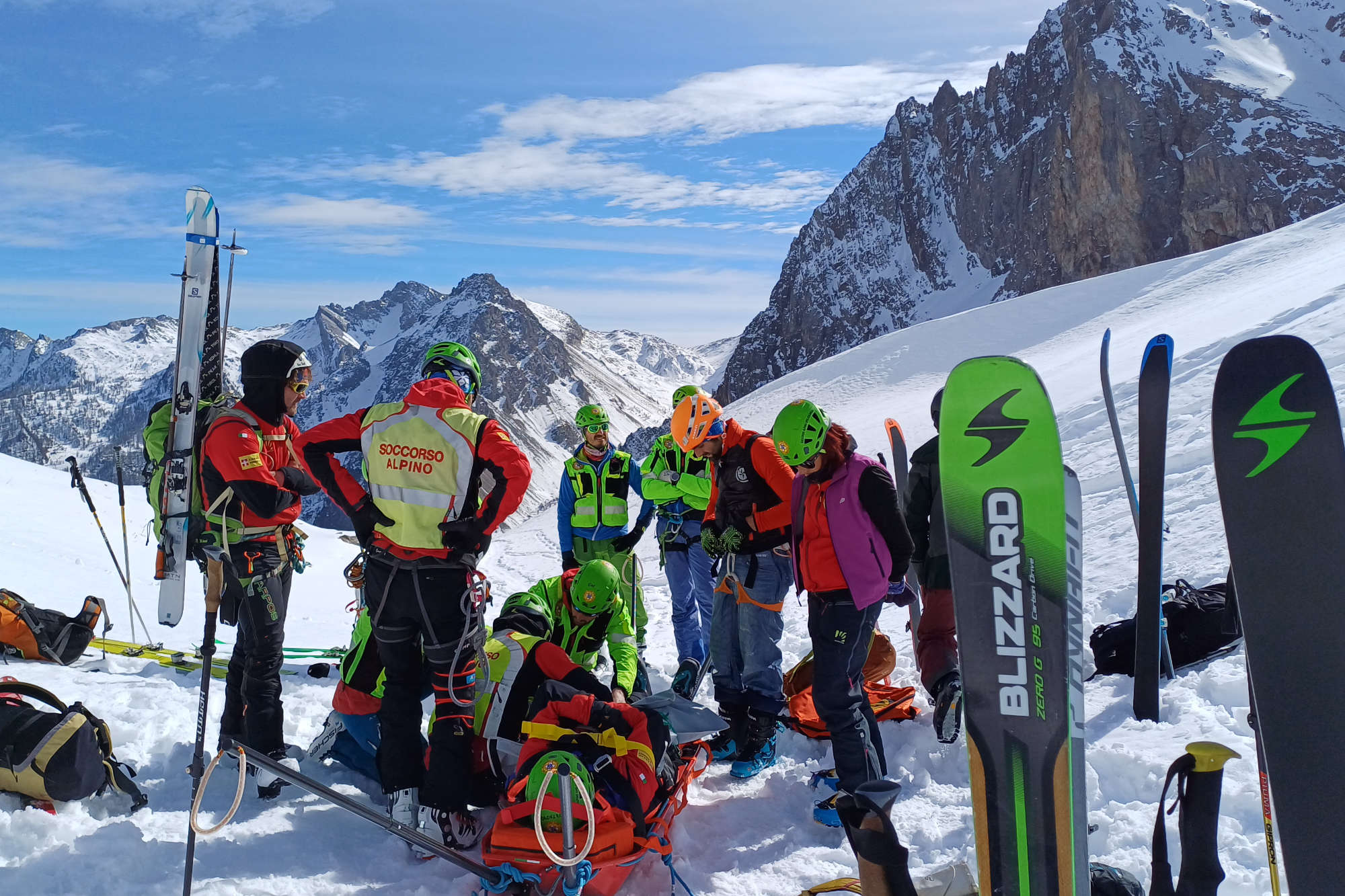
In recent years, attendance in mountain environments has been constantly increasing. More people choose the mountains as a place for leisure and wellbeing in all seasons, but it is essential to remember that this is an environment that is as wonderful as it is potentially demanding. To experience the mountains safely, it is essential to adopt responsible behavior and proper preparation before every activity.
How to behave before and during a hike
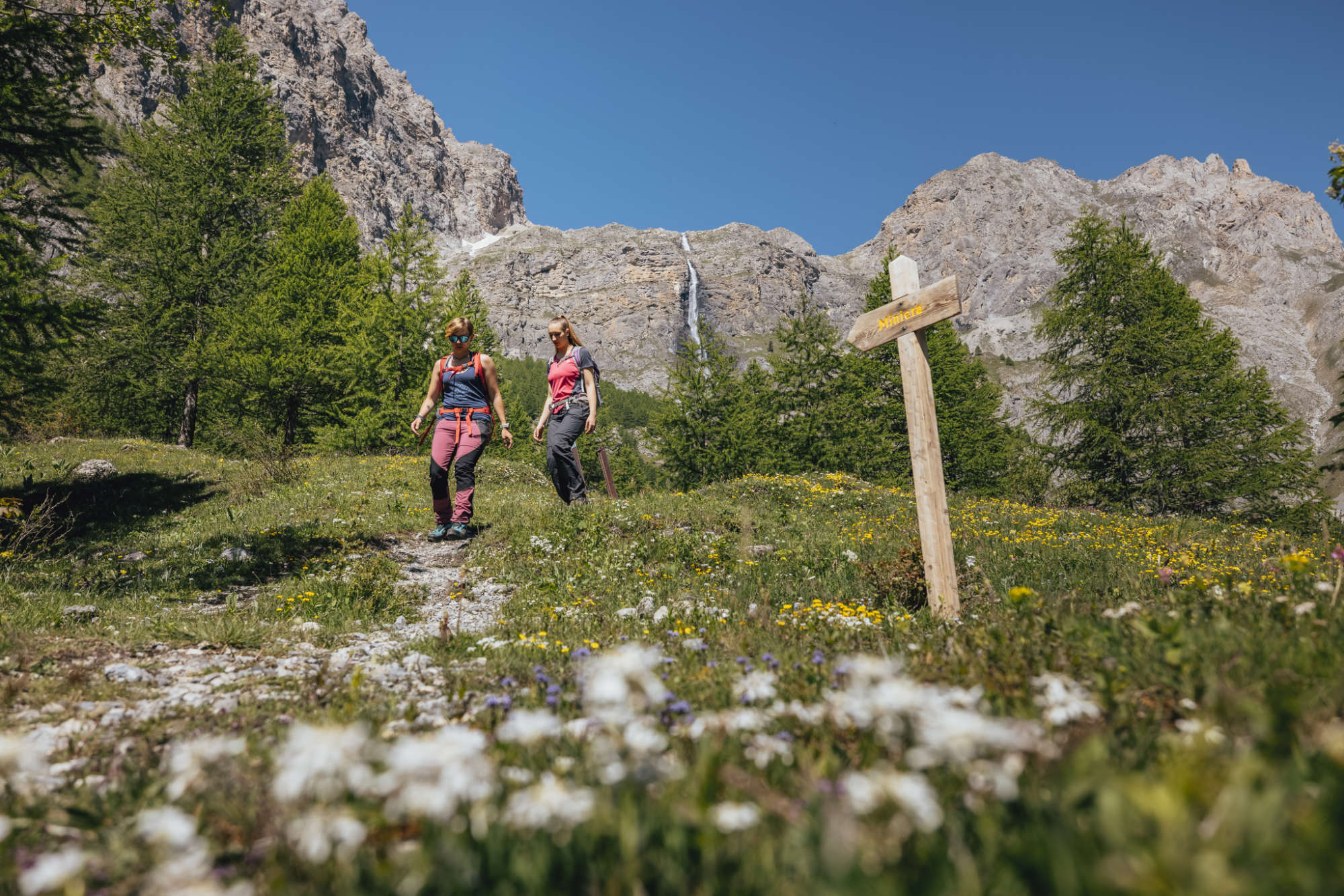
Route planning is the first step: it’s necessary to choose itineraries suitable for one’s technical abilities and psycho-physical condition, considering length, elevation gain, difficulty, and environmental conditions.
It is always advisable not to tackle the mountains alone; in any case, it is good practice to inform family members or friends of the planned itinerary and to carry a fully charged mobile phone for possible rescue requests.
A valuable support for safety is the activation of the free “lifesaving” GEORESQ app, which allows rescuers to quickly locate you in case of emergency.
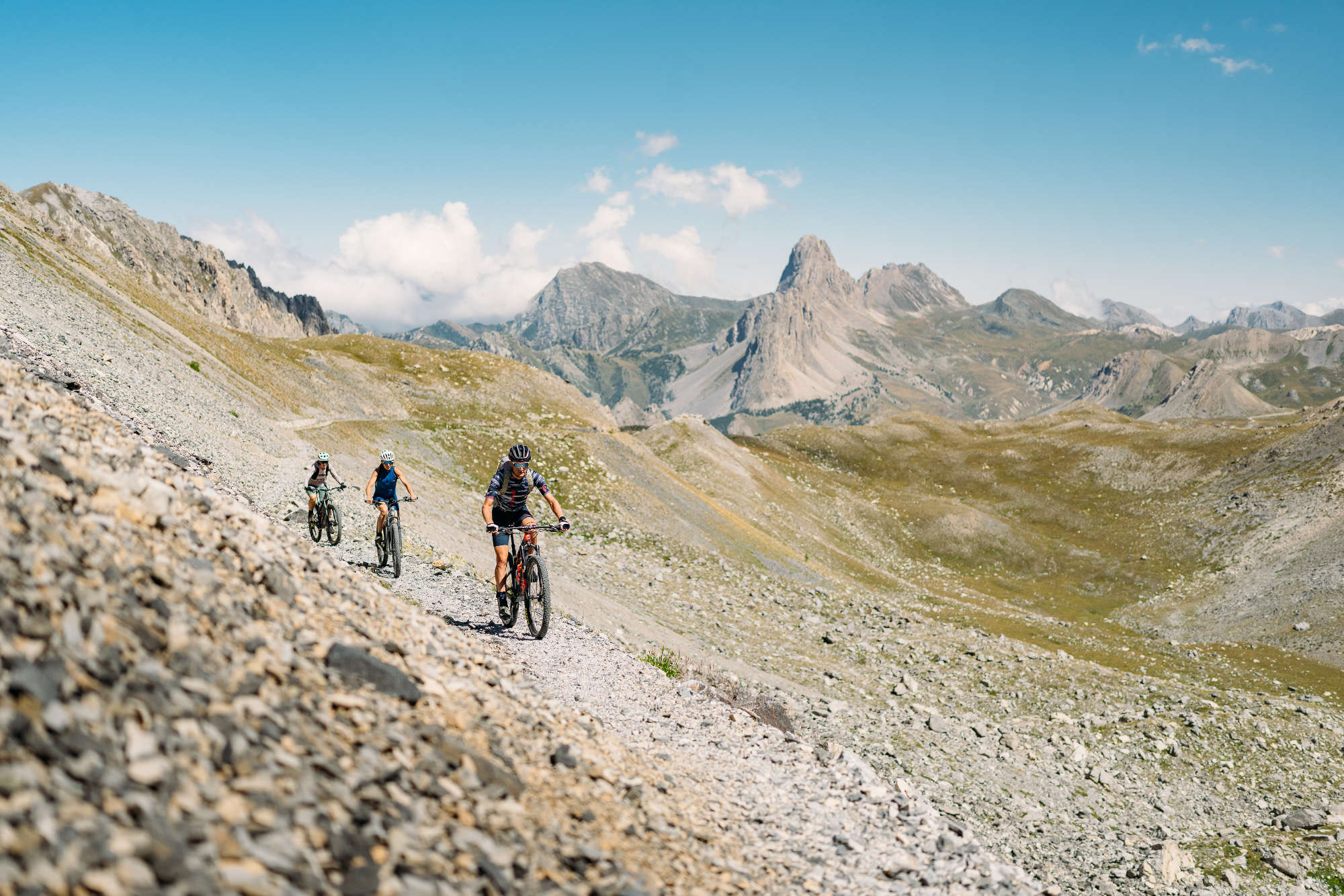
Equipment plays an essential role: it is necessary to equip oneself appropriately for the planned activity, the season, the altitude, and the chosen route, with particular attention to clothing and footwear. A dry change of clothes, a waterproof and windproof jacket, food, drinks, a small first aid kit, and a headlamp must never be missing from the backpack.
Finally, it is essential to be able to assess situations: in the presence of unforeseen events such as excessive difficulties, adverse weather conditions, or environmental hazards, the safest choice is knowing when to give up.
In the mountains, caution is always the best travel companion.
The mountains in winter
Winter in the mountains: awareness and safety
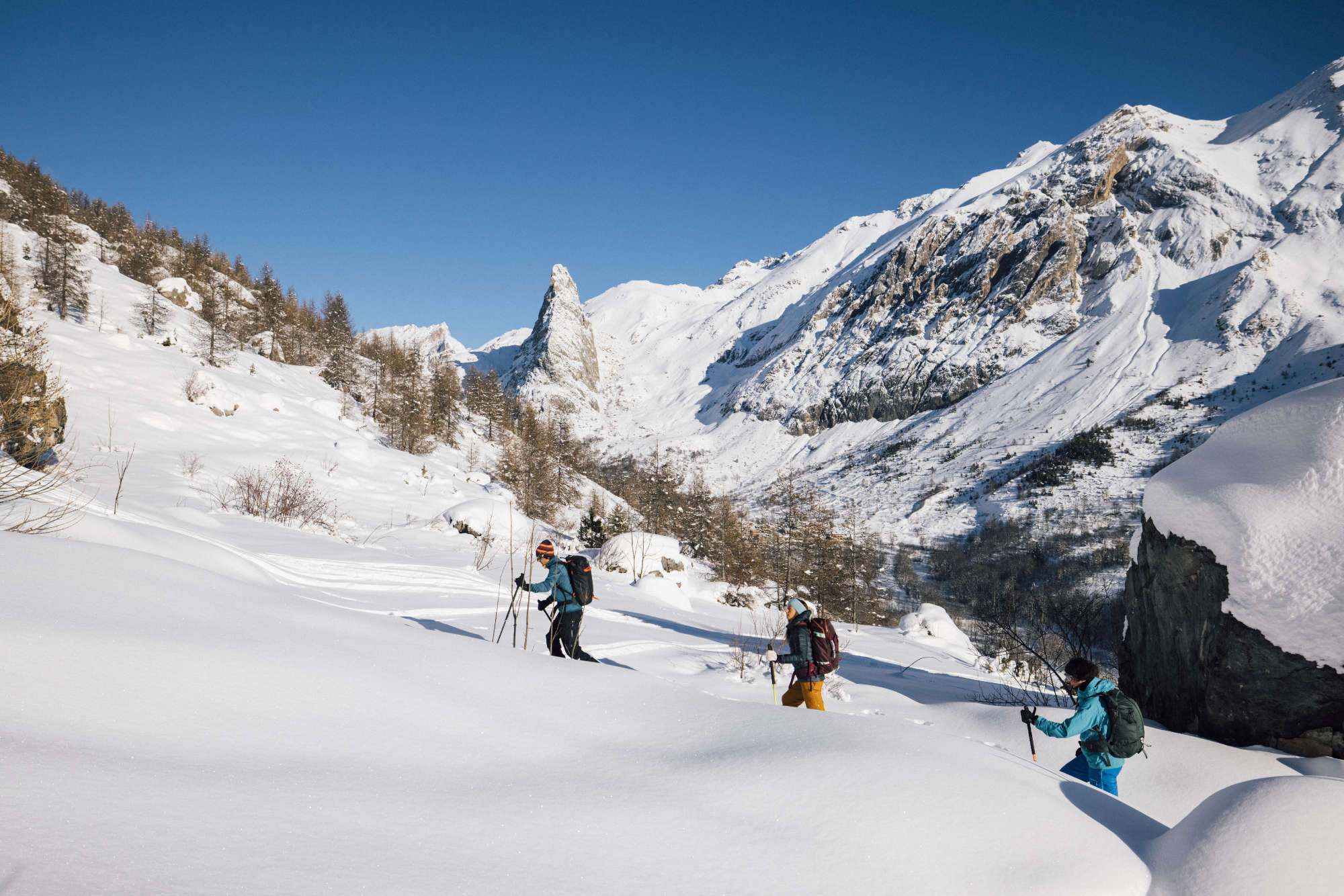
Winter is a unique season, capable of offering intense and unforgettable mountain experiences. At the same time, however, it requires a greater ability to read and interpret the terrain. The presence of snow profoundly changes the appearance of slopes, and avalanche risk must never be underestimated, both during ski mountaineering activities and snowshoeing excursions.
All the principles of good practice in mountain activities remain valid, but when planning an itinerary in a snowy environment it is essential to consider additional variables, such as the level of avalanche danger, the presence of wind, slope exposure, and the so-called human factor, often decisive in the dynamics of accidents.
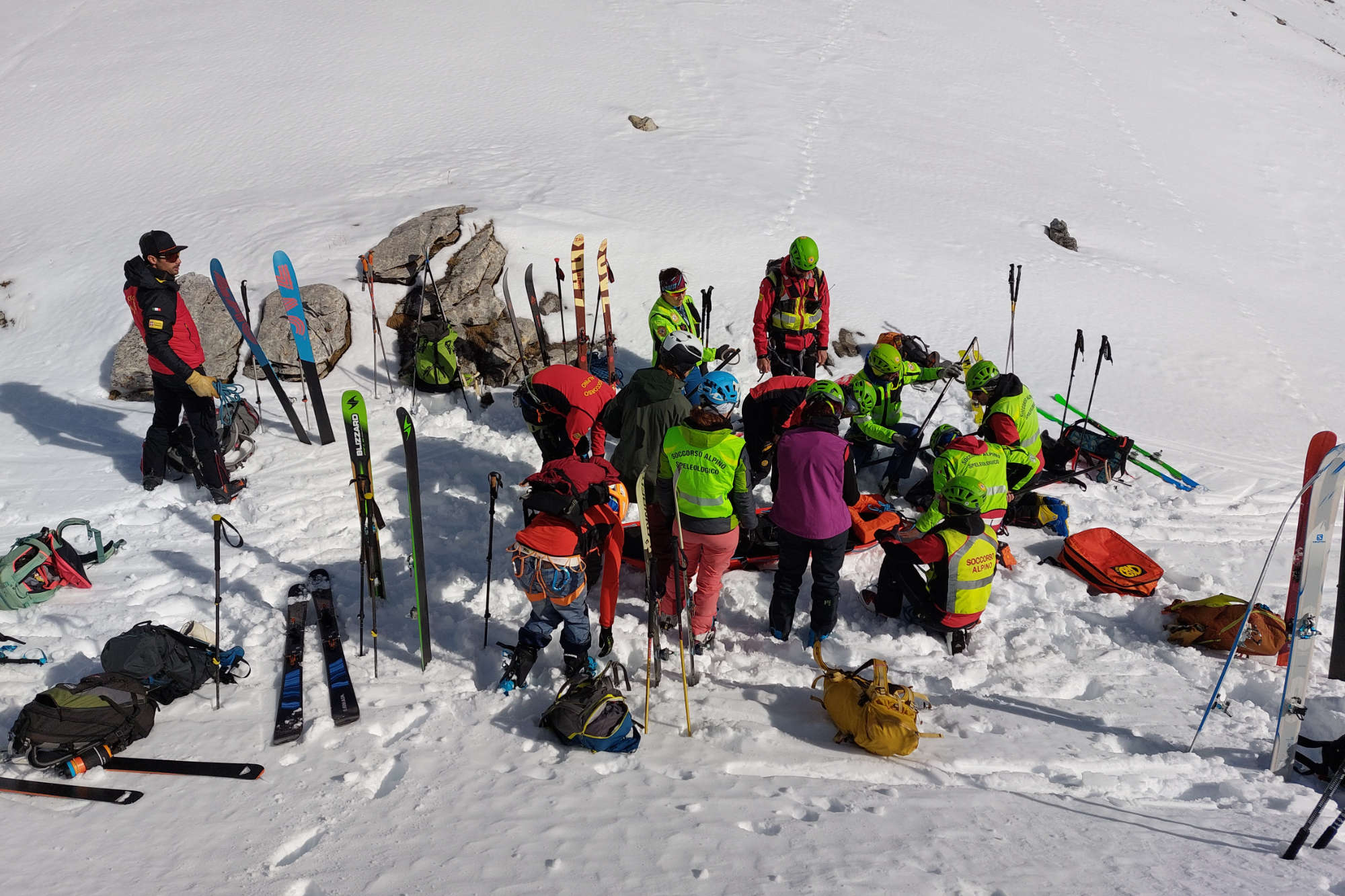
An essential role is played by the information provided by official bodies such as ARPA Piemonte and AINEVA, which make available the historical record of avalanche events and regularly publish weather and avalanche bulletins, indispensable tools for a correct assessment of conditions. In case of emergency, the support and intervention of the Alpine and Speleological Rescue Service, always active in the area, is essential.
Finally, we remind you that the single emergency number valid throughout Europe is 112.