English
 Italian
 German
 French
Maira Valley
The Valle Maira: an authentic Alpine heritage
The Valle Maira, nestled in the heart of the southern Cottian Alps in the province of Cuneo, is one of the most intact and striking valleys in western Piedmont. It stretches along the homonymous stream, surrounded by peaks exceeding 3,000 meters, and preserves an extraordinarily well-maintained natural, scenic, and cultural heritage.
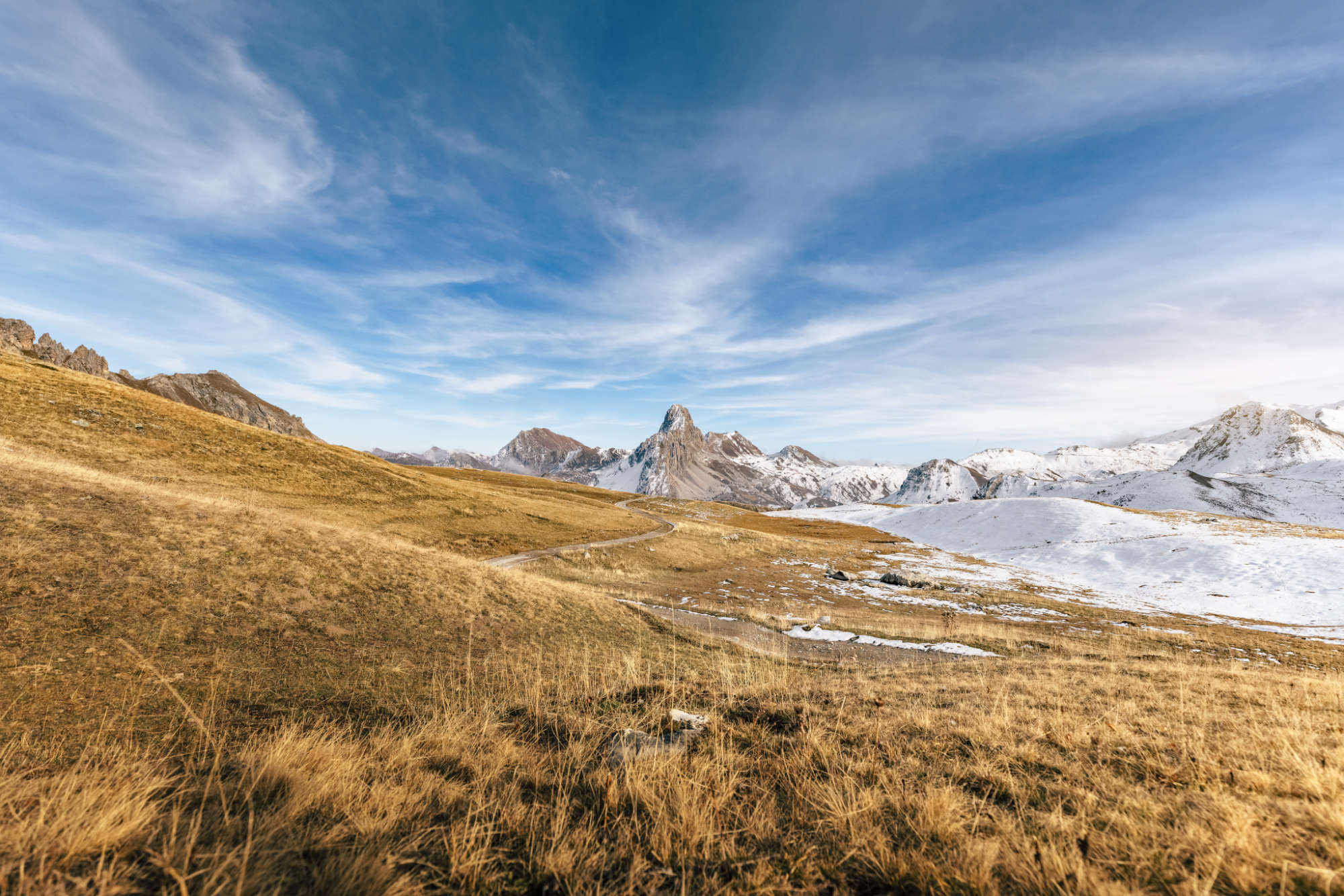
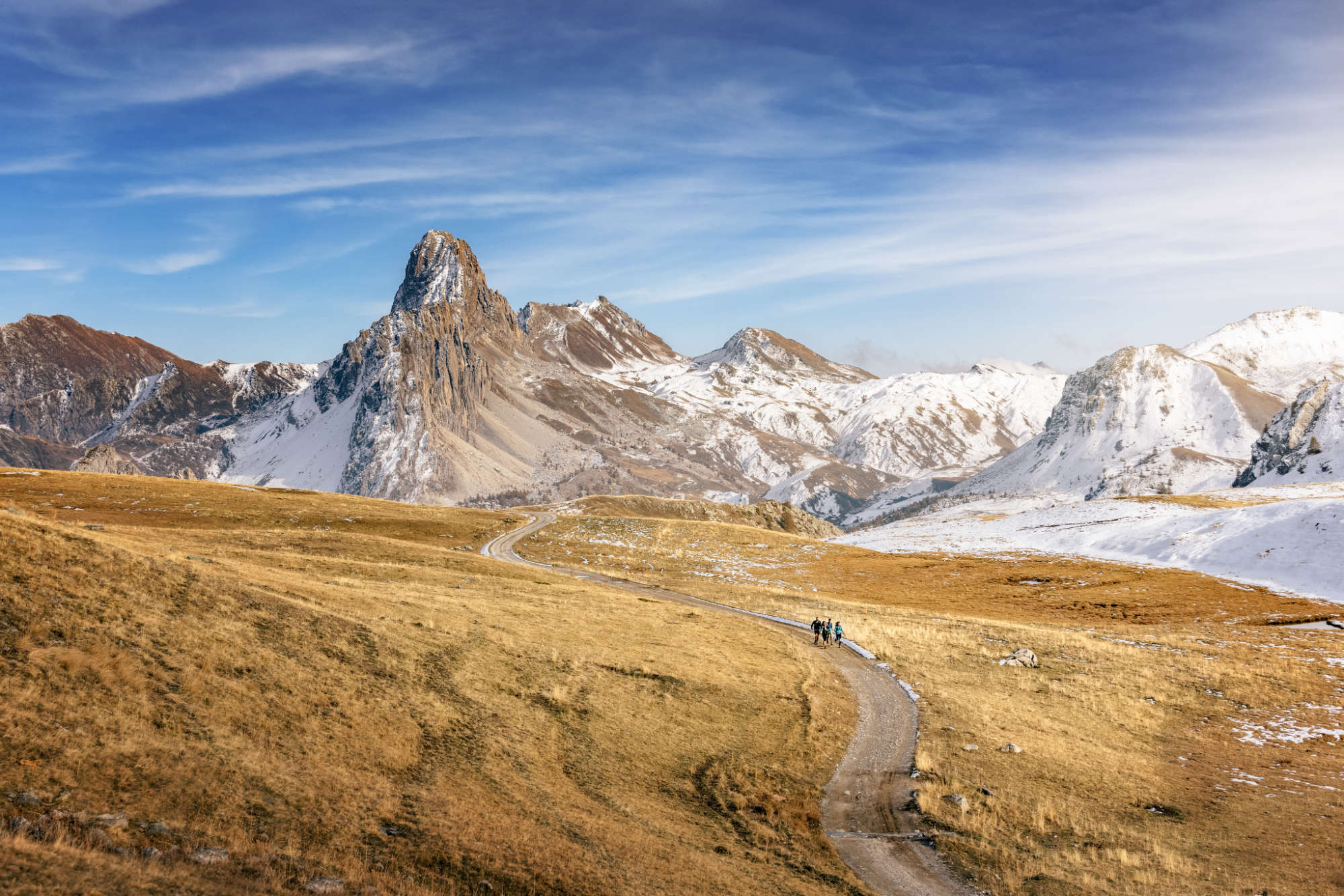
Alongside its environmental richness, the valley preserves an important geological heritage, which tells millions of years of Alpine history. Emblematic is the Altopiano della Gardetta, one of the largest and most fascinating plateaus in the Piedmontese Alps, characterized by vast high-altitude meadows, rock outcrops, and landscape features that testify to the geological evolution of this territory.
Thanks to the very low levels of light pollution, the Gardetta is also considered one of the places with the darkest night skies in Europe, making it an ideal destination for astronomy tourism and astrotourism, for stargazing and observing celestial phenomena in a naturally stunning setting. An authentic environment, shaped by time and humans, where nature, geology, and culture intertwine, creating a unique and recognizable landscape.
Far from mass tourism, the valley has chosen over time a model of sustainable and conscious development, enhancing its Alpine identity. The stone villages, restored hamlets, historic trails, and Occitan Routes reflect a deep connection between humans and the mountains, based on respect for biodiversity and historical memory.
Alongside nature, the valley preserves a rich historical and cultural heritage: frescoed churches, a widespread network of Ecomuseums, traces of itinerant trades, and the resilience of local communities.
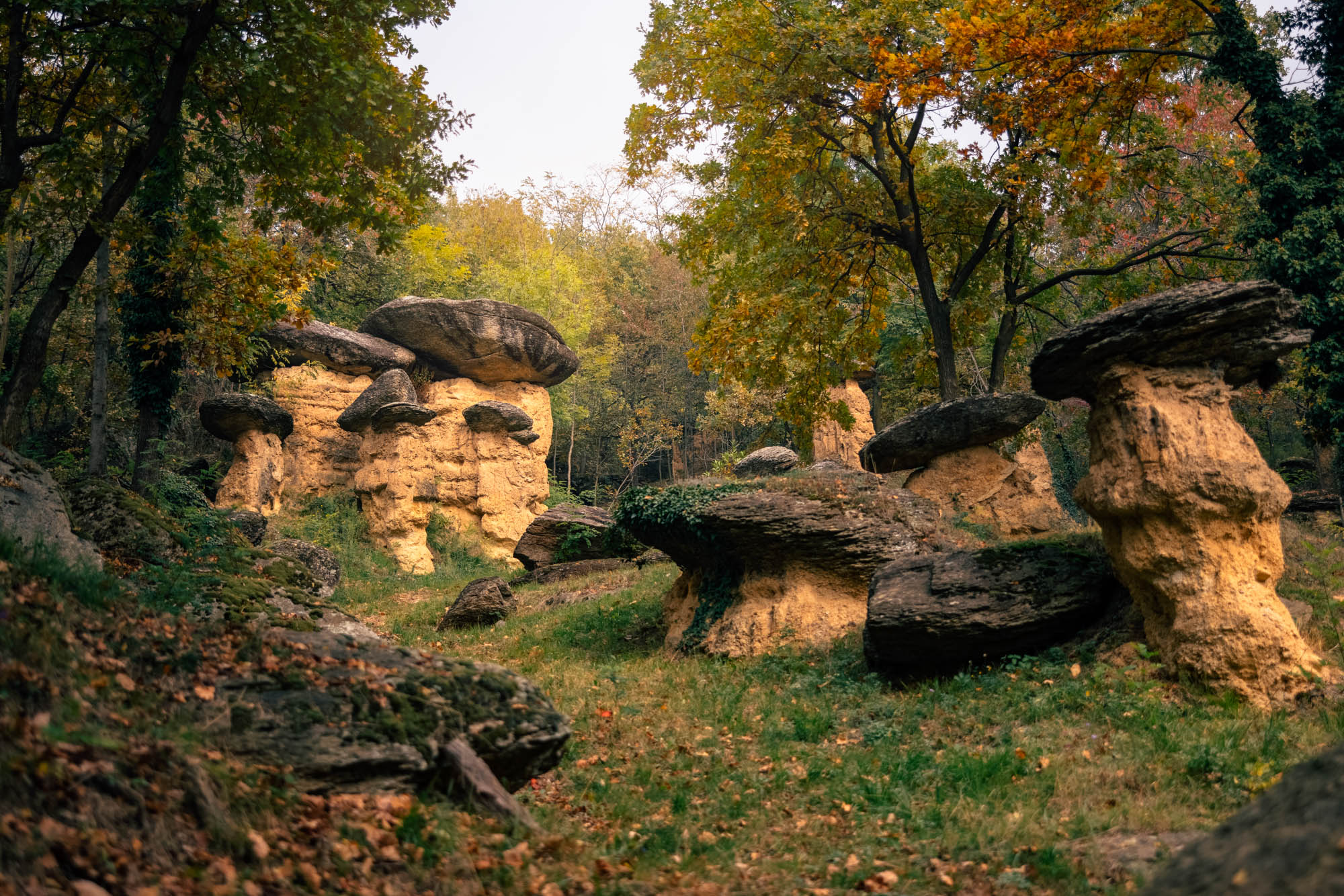
Iconic sites such as the Altopiano della Gardetta and Rocca la Meja, the Sources of the Maira, the Castello-Provenzale group, Mount Chersogno, the Ciciu del Villar Nature Reserve, and Mount Roccerè are true geological and natural “gems,” where millennia of history and biodiversity intertwine.
Occitan traditions today coexist with innovative forms of widespread hospitality, mountain crafts, and agriculture. The villages in the valley stand out for their commitment to protecting architectural heritage, promoting the Occitan language and culture, and adopting practices compatible with the Alpine environment.