 English
 Italian
 German
 French
Culture
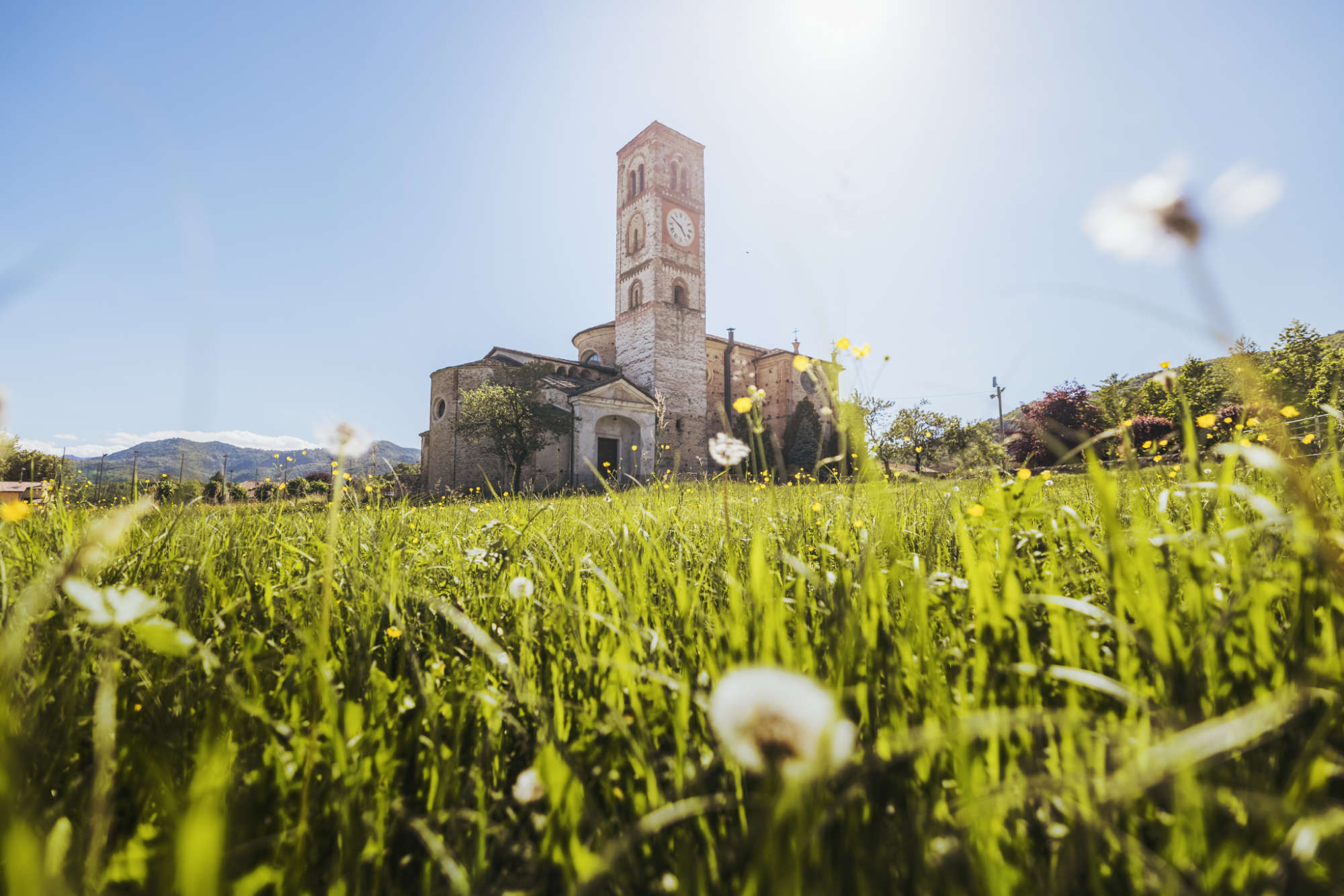
A valley that speaks, sings, and tells stories
The Valle Maira is not just a place to pass through: it is a territory to listen to. Here, culture is not confined to museums but lives in the villages, in the names of places, in festivals, music, and stories passed down from generation to generation.
It is a mountain culture, essential and resilient, that has preserved its identity even in times of greatest isolation. And it is precisely this isolation that, for centuries, has protected a wealth that is now precious.
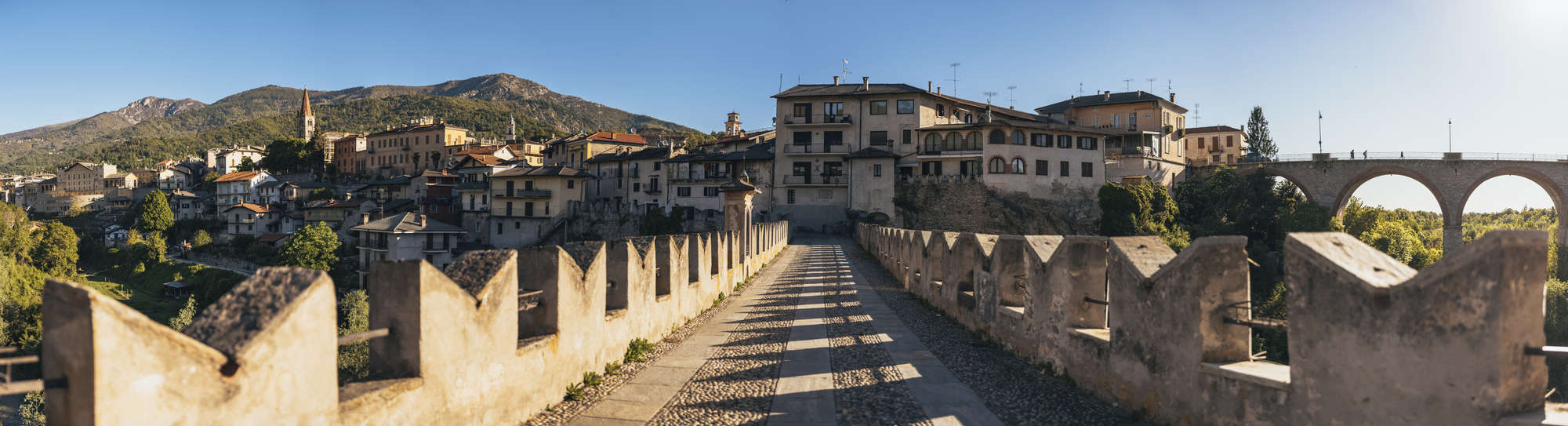
The Occitan identity
The Valle Maira is part of the Occitan linguistic and cultural area, a vast Alpine and transalpine region that unites Italian and French territories through a language, a worldview, and a shared heritage.
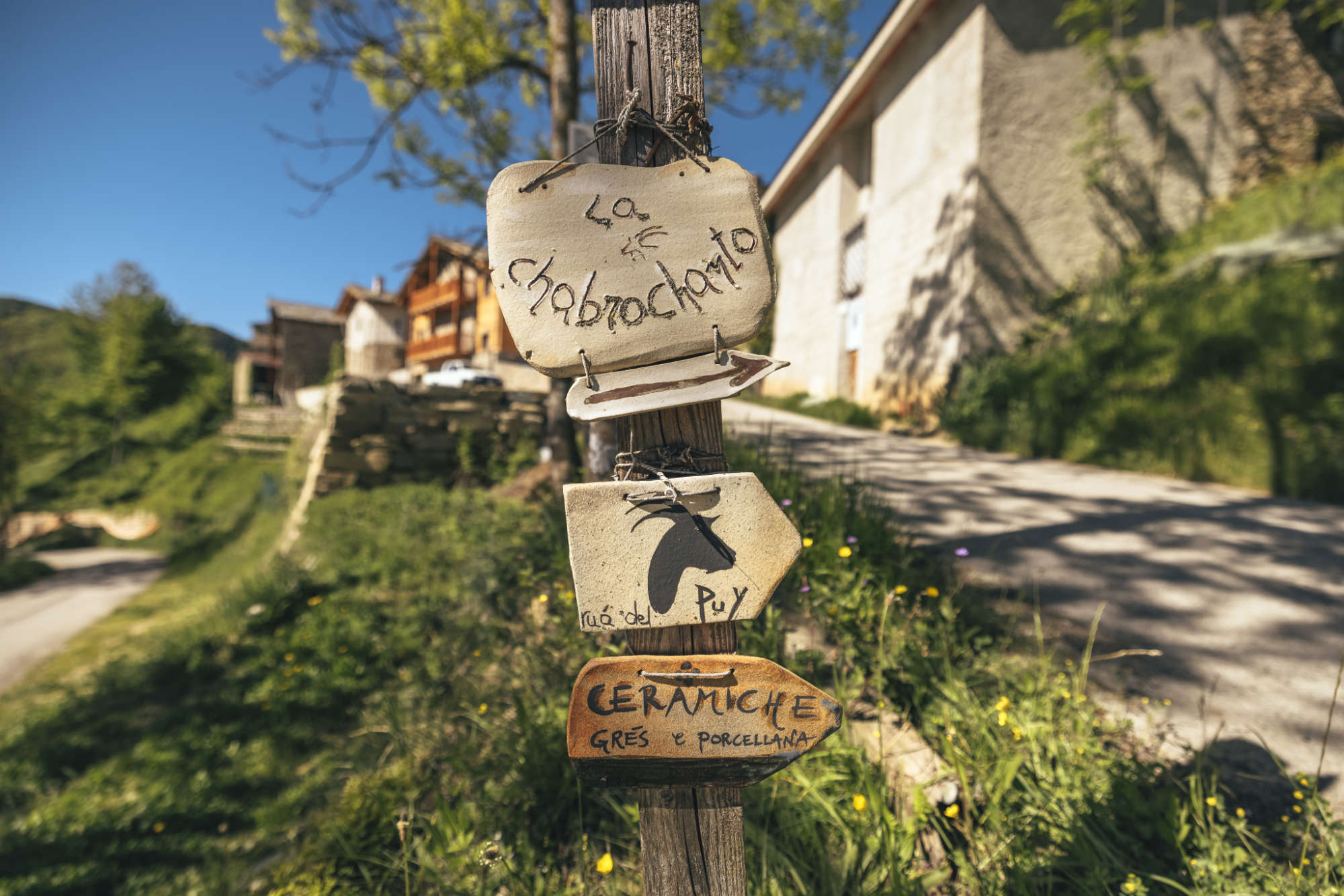
Occitan is still spoken in the valley, especially in its local variants, and it is much more than a language: it is a way of naming things, telling time, and reading the landscape. It lives in place names, songs, folk poetry, legends, and everyday stories, and is an integral part of the territory's identity.
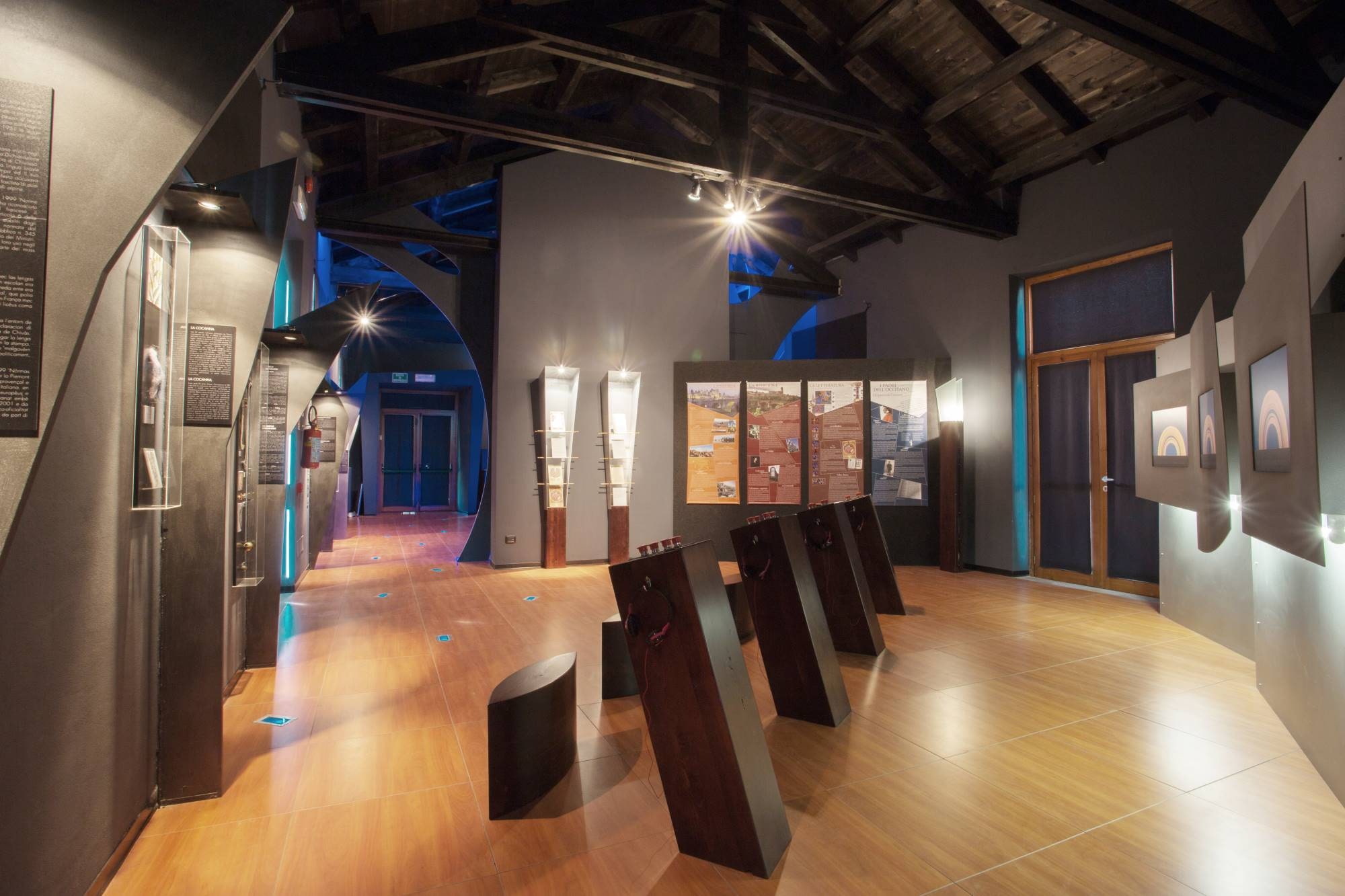
To explore this cultural heritage, a visit—real or virtual—to the Espaci Occitan in Dronero and the Sòn de Lenga Occitan Museum, an experiential museum dedicated to Occitan culture, is highly recommended.
Here, visitors are guided through Occitania, its history, cultural and folk traditions, literature, and music, offering an immersive and engaging experience. Entering the Sòn de Lenga is like stepping into a small “time machine,” helping to understand the past and future prospects of the Occitan Valleys.
The museum serves as an ideal starting point for discovering the Occitan-speaking valleys, presenting the extraordinary richness of this tradition in a dynamic and accessible way. The space is open to everyone: tourists, enthusiasts of Occitan culture, school students of all levels, and university students. Link: Espaci Occitan.
A living culture, not just to remember
In the Valle Maira, Occitan culture is not a relic of the past, but a living tradition that continues to evolve.
Traditional music meets new sounds, folk dances return to town squares during festivals, and the language is studied, shared, taught, and used even today.
Cultural centers, associations, and local organizations work to enhance this heritage, make it accessible, and pass it on to new generations, without freezing it in time.
Architecture, landscape, and daily life
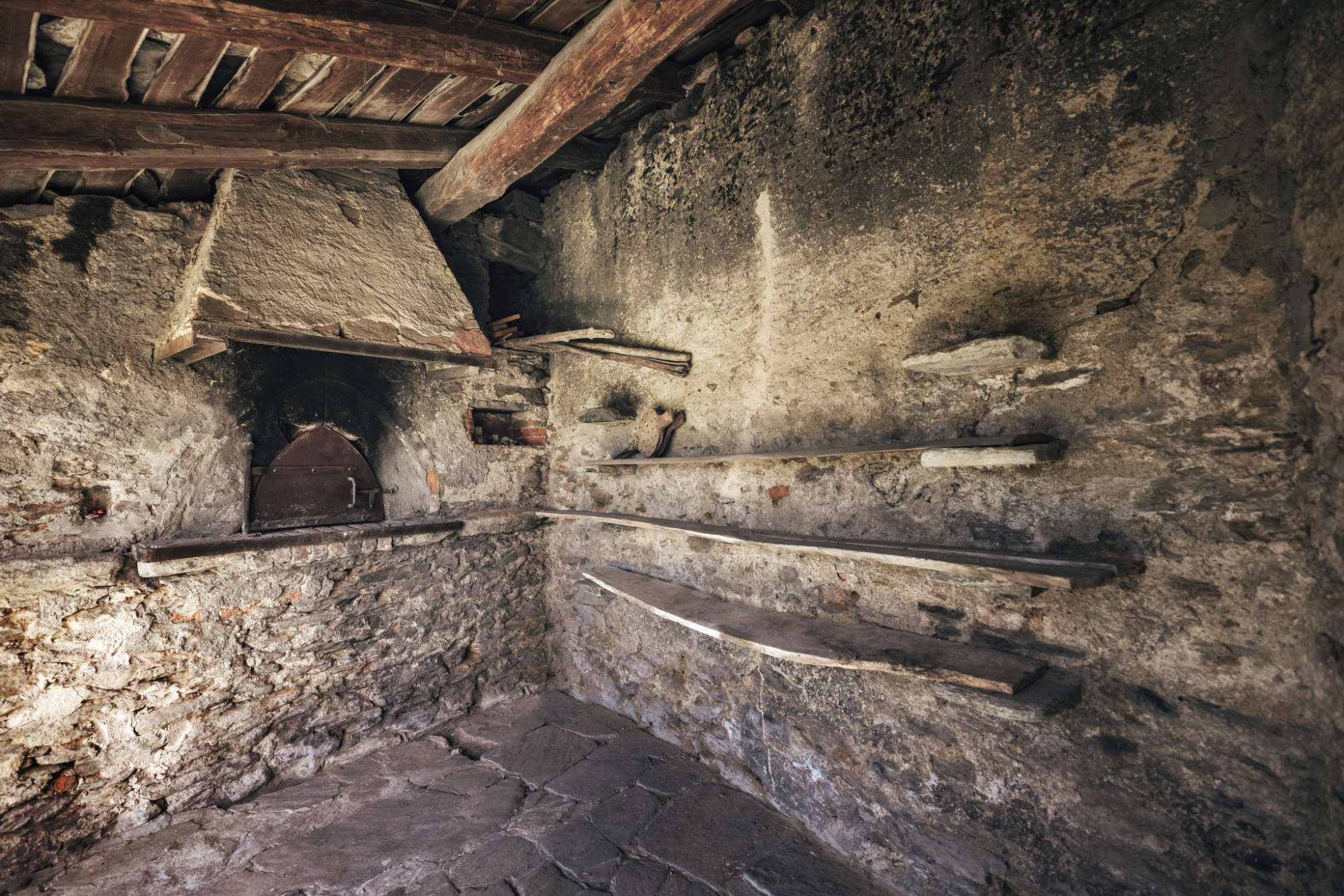
Architecture also tells this identity: stone houses, compact villages, frescoed chapels, communal ovens, and shared spaces speak of a collective life adapted to the mountains and their seasons.
The landscape itself is cultural: trails, pastures, terraces, and alpine meadows are the result of centuries of interaction between humans and the environment, balancing necessity and respect.
Getting to know the Valle Maira today
Discovering the culture of the Valle Maira means stepping gently into a story that is still unfolding.
Attending a festival, listening to traditional music, visiting a museum, or simply stopping to talk with those who live here is often the best way to understand it.
Because culture in the Valle Maira is not just displayed: it is lived.
Discover the territory and the valley’s beauties